Tips On How To Handle Mother’s Day

Dear Motherless Daughter,

You’re probably not looking forward to Mother’s Day this year—or any year. I’ve been motherless since I was eight and I still don’t look forward to Mother’s Day. Even when my children were young and celebrated me with handmade cards and burnt toast, I still felt sad that I wasn’t able to personally celebrate with my mom. 

When I was a kid, my dad and I planted window boxes for my mother on Mother’s Day. The colorful boxes sat under the two windows at the front of our modest, post-war bungalow in Nebraska. Flowers have always reminded me of my mother—from the pink carnations on her casket to the bachelor buttons and multi-colored zinnias she planted in our backyard.

I’ve had seventy-one Mother’s Days to learn how to survive the day in the healthiest way possible. Here are a few tips I’ve learned along the way:

* Plan ahead for how you’ll spend the day. My husband and I will take a local dinner cruise on Mother’s Day (I live in Florida). Balmy weather, beautiful scenery, the movement of the boat, and someone besides me preparing lunch, all make for a lovely day and takes my mind off the sadness.

* Do something to honor your mother. In my gardening days, I frequently planted a rose bush or other long-lasting, flowering plant. These days, I buy “us” a bouquet of pink carnations.

* Acknowledge your sad feelings. If you’re new to loss, use Mother’s Day as a time to tell your mother-story to a trusted friend or share your sad feelings with someone you love. If this isn’t possible, journal about your feelings. Be honest when someone asks, “How are you?” 

* Stay away from triggers. It’s hard to avoid the hype for Mother’s Day—ads for gifts, card displays, social media posts of happy mothers and daughters. Don’t fixate on them. Move along. You can be glad for those who are celebrating without immersing yourself in situations that tap into your sadness or anger. 

* Celebrate the mothers in your family. Even if it’s a difficult day for me, I’m thankful that my children didn’t grow up motherless. My mother also grew up without a mother (her’s died when she was three), so I’m particularly grateful to have broken the cycle of loss.

* Stop anticipating disaster. Sometimes the anticipation of Mother’s Day is worse than the actual day. That’s how “COVID-Christmas” was for me. Anticipating the holiday away from family was terrible; the actual day—not so bad. The lesson? Tell yourself it’s just another day—one day out of 365. Don’t succumb to the “ain’t it awful” syndrome. 

Thinking of you—Mershon
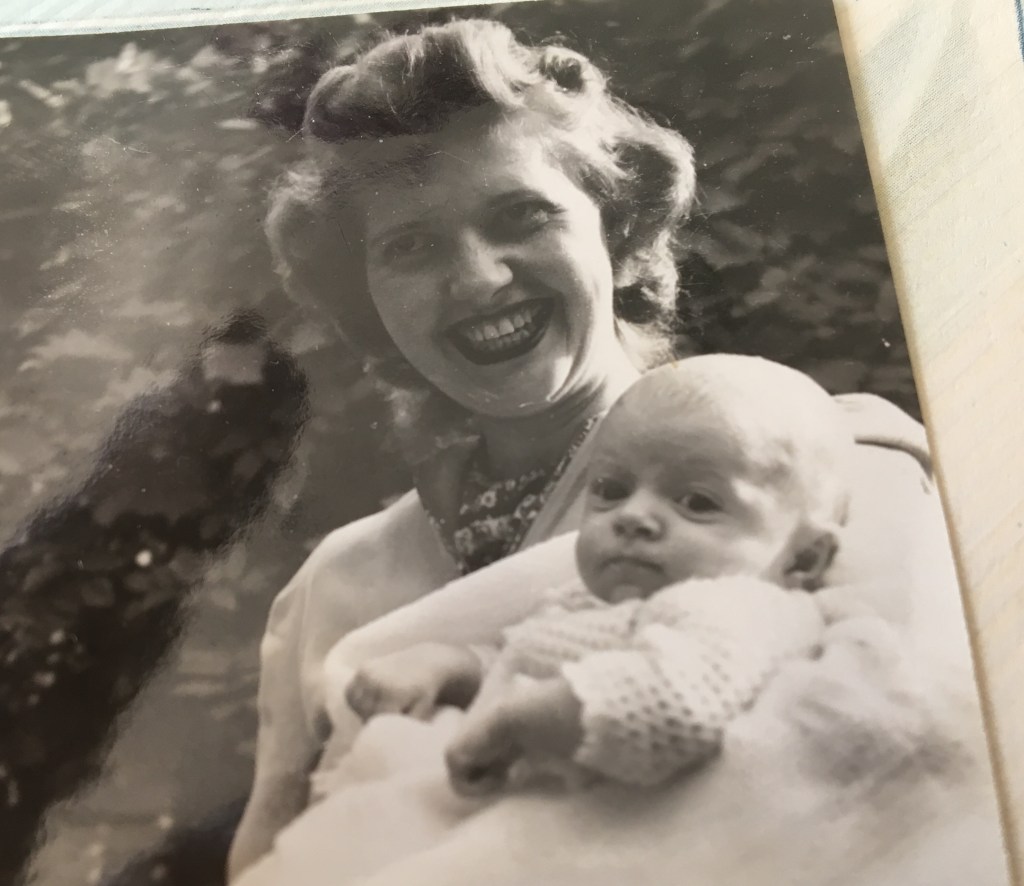
My Mom and I in 1945.
FEELING HOPELESS OR HELPLESS TODAY?

If you can’t feed a hundred people, just feed one. Mother Teresa

The day after a national election is always difficult for a little less than half of the population. We may feel hopeless and helpless and asking ourselves, “What more could I have done to make a difference? What can I do in the future to make the world a better place?”

Yesterday I sat in the pouring rain (I forgot my jacket) campaigning for someone I believed in for city council. I had done other campaigning for her but yesterday  I wasn’t making much of a difference. Most people in the community had already voted and my sign waving was receiving little, if any, attention. I could have gotten out of the rain and gone home. And yet, I stayed. I did it more for myself than for my candidate. I did it because it was one thing I could do. I could “feed one” or possibly influence one person. Just one! I did it to feel less helpless. I needed to DO something. 

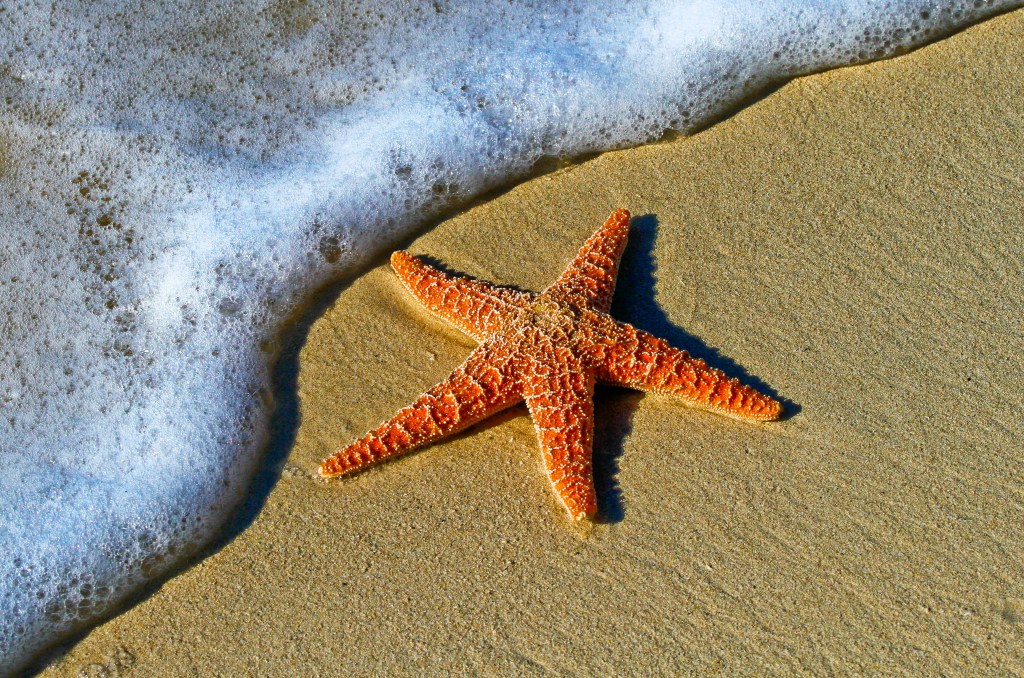
It’s like the story of the star fish. Hundreds were on the beach dying and a little boy was throwing one back into the ocean. When a man asked him what difference he was making when so many were dying, the little boy pointed toward the sea and said, “I made a difference to that one.”

Affirmation: I can feed one. 

Coaching question: How have you taken care of yourself in the past when you’ve felt hopeless or helpless? 

Photo by Pedro Lastra on Unsplash

Top Ten Ways To Increase the Joy-Factor In Your Life

Most of us know that the joy-factor is not increased by accumulating money or possessions beyond our needs. So where do we find joy? What experiences, thoughts, and relationships help us live more joyfully?

Here are my top ten:

1. Set goals and complete them. There is something satisfying, if not joy-producing, in crossing a task off  a list or completing a goal. We are programmed towards accomplishment and we’re frequently frustrated with procrastination, indecision, and lost dreams. Create a tool to measure your progress in order to appreciate the satisfaction and joy of completion.

2. Add music to your life. It’s difficult to hold on to a frown when enveloped by a rollicking Irish jig or a symphony orchestra. Listening to music elicits joy. Participation by singing, dancing, or playing an instrument heightens the experience. 

3. Make something. The click, click of knitting needles, the hum of a sewing machine, the pounding of a nail, the aroma of fresh bread all help us connect to joy. Not only the act of creating a product but being proud of the end result add to our positive feelings.

4. Grow something. Like creating a product; growing a tree, a garden, or an African violet, can bring ongoing satisfaction. Nurturing a growing thing, spending time in nature, admiring the beauty of a plant, all contribute to the joy factor. 

5. Give freely. When you give your time, your talents, and/or your money, you’ll give yourself a shot of joy. There is something powerful about giving freely.  

6. Get physical. Move your body. Talk a walk, go for a run, have great sex, row a boat, paint your bathroom. There is strong scientific evidence that significant physical movement activates endorphins that make us feel more joyful. 

7. Add color. Feeling low? Take off that black dress and put on something colorful. In addition to your clothing, add color to your surroundings with fresh flowers, beautiful art, or a vibrant throw pillow. 

8. Connect with friends. Friendship is one of our greatest gifts. Spending time with friends nearly always makes us more joyful. Call an old friend you haven’t spoken to in a while, set a Zoom date with someone who makes you laugh, drop cookies off to a friend who is lonely.

9. Learn how to be your own best friend. People who learn to be their own best friend and embrace time alone, are in possession of a great gift. Learn how to embrace aloneness before you find yourself truly alone.

10. Stretch your mind. Learning something new can be challenging. However, when we embrace that challenge, we usually come away feeling renewed and fulfilled. 

There is practically no limit to the possibilities for joy when we look for them. When you are in a state of joy, say thank you as you acknowledge your joyful feelings. This will attract more joy to your life.

Ending Well

While I thought that I was learning how to live, I have been learning how to die. Leonardo da Vinci, Italian polymath (a person of wide-ranging knowledge or learning)

Yesterday I interviewed Jean, a daughter who lost her mother to Alzheimer’s and her step-father to vascular dementia just five days later. He didn’t know his wife had died…in fact he was in a different care facility miles away (she in memory care, he in skilled care). Just before slipping into a final coma, her mother said, “Thank you for everything.” Jean, a CNA, had been her caregiver so her mother would not have to make another move.

I’ve been told several similar stories. Vicki, whose mother had not said a word for two years suddenly looked her daughter in the eye and said, “I love you, Vicki”. These final gifts are precious and give daughters something to cherish as they grieve their loss and beyond.

Affirmation: I accept endings.

Coaching requests and questions: If you have an ending story, recall it now and take comfort in the message. What have you learned about death during your life? How is this informing how you live?