Blog

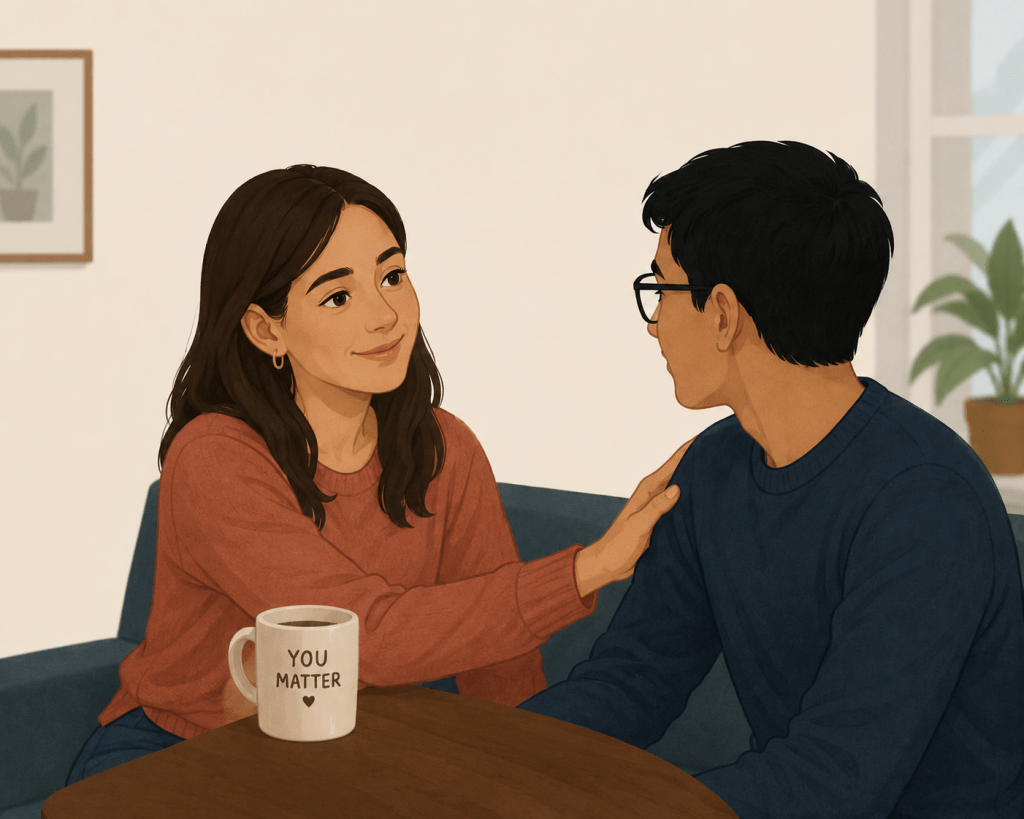
You Matter!

The more you praise and celebrate your life, the more there is in life to celebrate. Oprah Winfrey

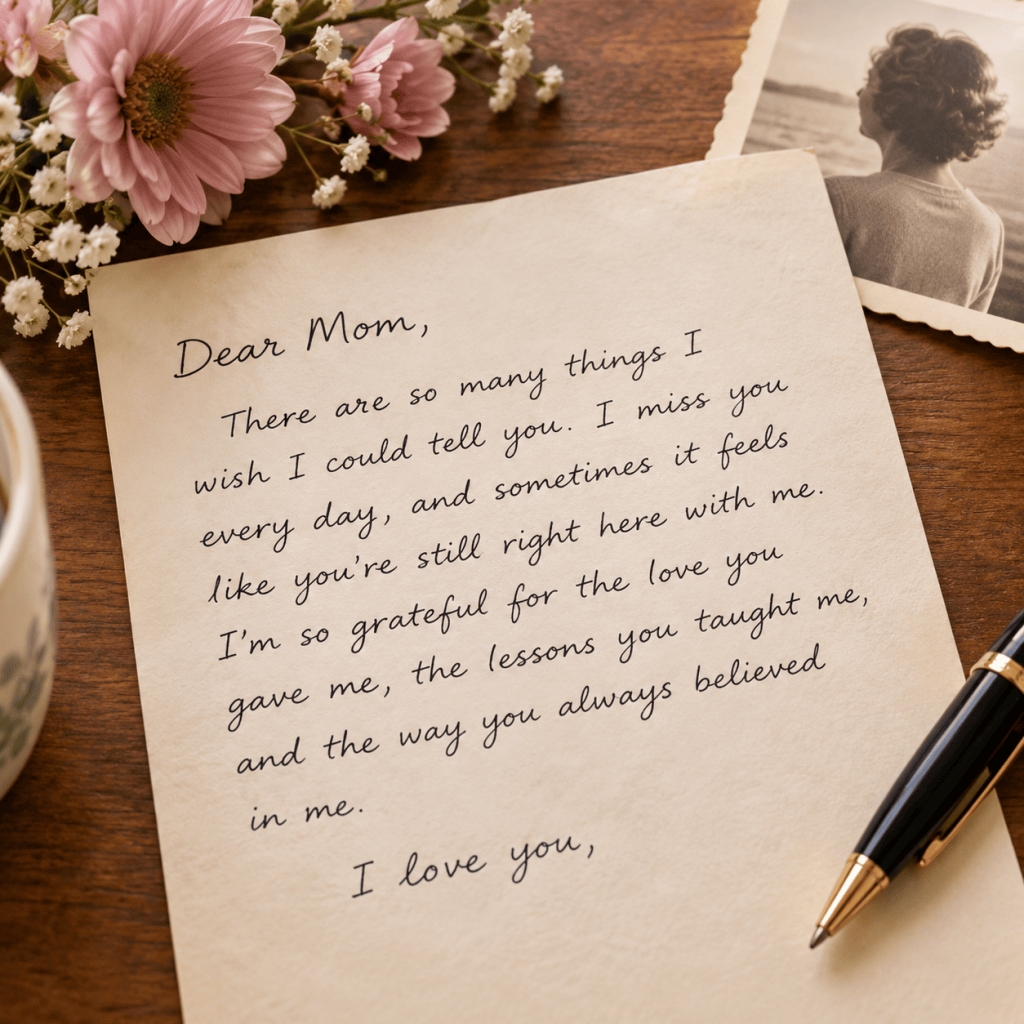
Now that you no longer have your mother to praise and affirm you, perhaps you feel like you don’t matter. Here are some suggestions from author, Jennifer Wallace who wrote Mattering and Never Enough that may help you turn this feeling around. 

—At the end of the day, take a moment to reflect on one way you contributed to another person and write it down. 

—Start a paper file or a file on your computer where you keep special notes or cards people have written you to say how you mattered to them. 

—Recognize the value in others. As you show strangers or friends that they matter, you’ll begin to feel more like you matter. 

Coaching questions: How will you remind yourself that you matter? Which suggestion above resonates with you? What’s one thing you’ll do to help someone else feel as though they matter today?

Depression Not Always About Loss

Dealing with depression effectively is a mark not of weakness, but your strength.
Substance Abuse and Mental Health Services Administration, Helpline

Do you always assume your sad feelings are a result of your loss?It’s summer and the lethargy you’re feeling may be due to the heat.

Here are a couple of tips to help you feel better: 

  • Just as people who experience SADD (Seasonal Affective Depressive Disorder) schedule a trip to the beach in the winter, consider a trip to the mountains or another cool location for a week this summer.
  • Keep water with you. Even mild dehydration can cause your mood to dip.
  • Check on your sleep. If your sleep is interrupted due to heat or your routine, this too can cause mild depression. 
  • Get back to exercise. If it is too hot for your usual walk, change it up with a trip to the gym. 

I hope these suggestions will help you get back to your happier self. However, if you’re more than mildly depressed, have feelings of hopelessness, or serious insomnia, please seek professional advice. 

Coaching request: Don’t assume, check out other possibilities for your sad feelings. 

Chronic Lateness Is Hazardous To Your Health

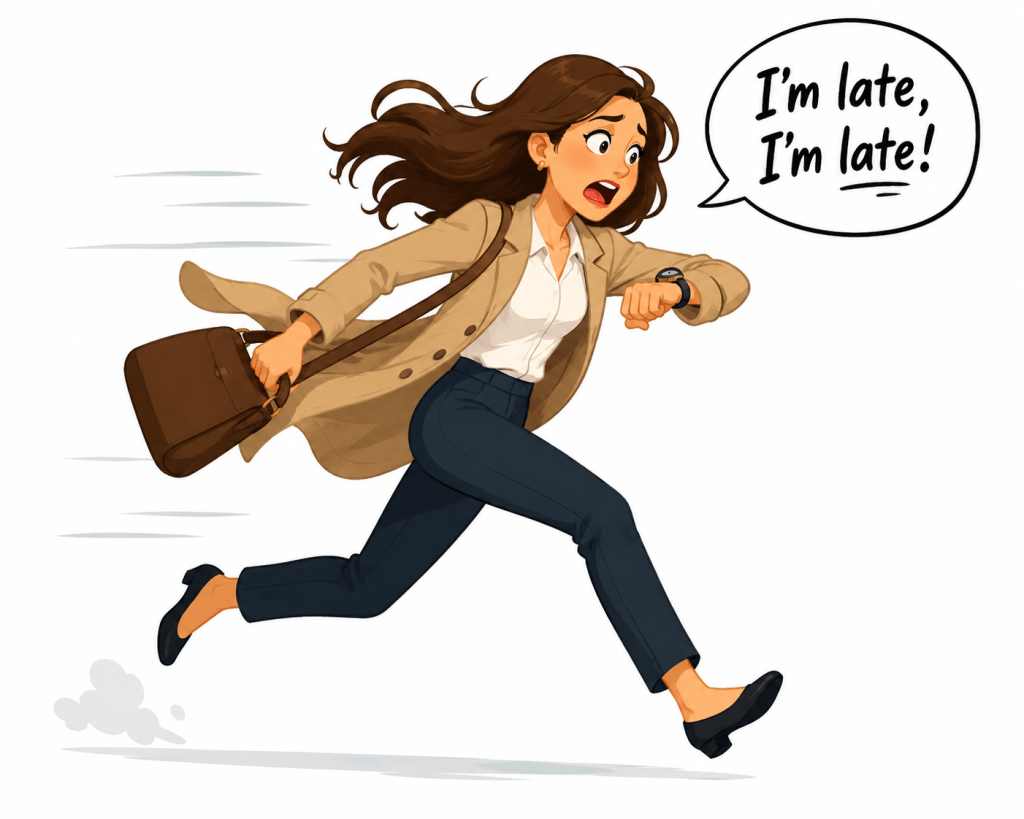
I’m late, I’m late, for a vey important date! No time to say hello, goodbye, I’m late, I’m late, I’m late! The Rabbit, Alice in Wonderland, 1951 Disney film. 

Being perpetually late (time blindness) causes chronic stress, anxiety, and relationship strain, often stemming from poor time estimation or anxiety-driven avoidance.

The constant rush to make up time increases adrenaline and cortisol, keeping your body in a “fight or flight” mode that is taxing over time.

People who are chronically late may experience higher rates of anxiety, poor self-esteem, and lowered self-discipline.

Chronic tardiness can lead to a loss of trust and broken “social contracts” in relationships.

Coaching question: If being late is causing you problems, what’s one thing you’ll change this week? Setting the timer on my phone helps me.

Let Music Lift You Up

Music can raze out the written troubles of the brain. William Shakespeare

May is always a difficult month for motherless daughters. I have a tiny suggestion on how to improve your mood—listen to music. 

A study in Nature Neuroscience demonstrated that levels of the feel-good chemical dopamine in the brain rose by up to nine percent when people listened to music they enjoyed.

Author Matt Haig, in the book, How to Stop Time, writes,“Music doesn’t get in. Music is already in. Music simply uncovers what is there, makes you feel emotions that you didn’t necessarily know you had inside you, and runs around waking them all up. A rebirth of sorts.” 

Of course, some of these emotions may be sad but that’s okay. Feel the feelings that music brings into your life. 

Coaching questions: How does music make you feel? What genre brings you joy? How can you use music to help you move forward after loss?


Share Your Story

My mother memories that are closest to my heart are the small gentle ones that I have carried over from the days of my childhood. They are not profound, but they have stayed with me through life, and when I am very old, they will still be near. Margaret Sanger, American nurse and activist

The willingness to share one’s story signals our desire to leave a legacy, to turn our pain into a message of hope for ourselves and others. This is why step one in my ten steps to moving forward after mother loss is important. 

As we share our mother loss stories, we begin, or extend, our journey forward. 

Coaching question: What can you expect from sharing your story? How might the telling impact your present and future?

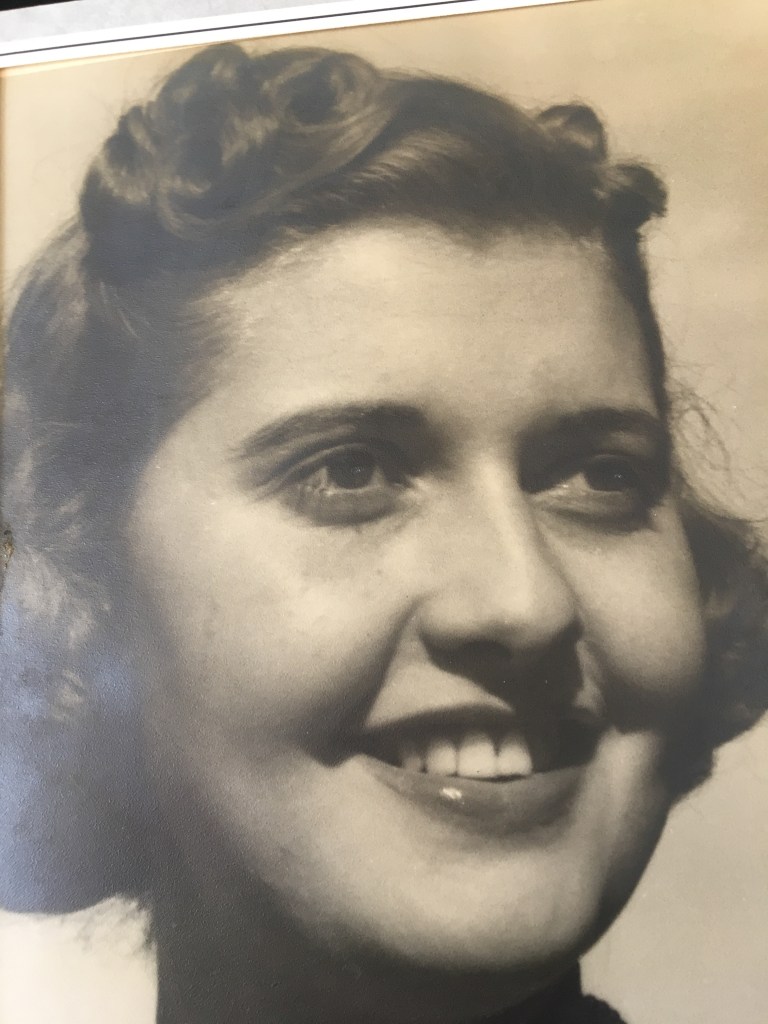
(Photo is my mother, Winnie, who died at age 34 of leukemia)

Grieving? Turn To The Arts

Art is a means of union among men (people), joining them together in the same feelings.” Oscar Wilde, Irish poet, playwright, and author

I believe the arts remind us what it means to be human. Music, stories, paintings, dance, and theater help us express joy, grief, hope, and longing.

In times of stress or uncertainty, the arts offer comfort, meaning, and a way to make sense of our experiences.

Coaching request: If grief is getting you down, turn up the music, dance, read a good book, or go to the theater. 

Looking For Love?

Love is the will to extend one’s self for the purpose of nurturing one’s own or another’s spiritual growth. M. Scott Peck, psychiatrist and author.

After loss, we frequently look to renew love in our lives. We’re longing for connection, acceptance, and peace. These aspects of life don’t begin with another person, they come from within.

Perhaps you need to forgive yourself for not being the perfect caregiver. Maybe it’s learning to listen instead of fixing. Maybe it’s letting go of a grudge that’s grown heavy with time.

Coaching question: How can I BE love today? How can I show myself love and acceptance?

Exchange “Merry” For Contentment

Start where you are. Use what you have. Do what you can. Arthur Ashe, professional tennis player

If you’re feel lonely, depressed, or joyless this holiday season, you’re not alone. The truth is, sometimes life is difficult—even in December; mostly in December for some.

The trouble comes when we compare our inner reality with everyone else’s highlight reel — the matching pajamas, the picture-perfect family gatherings, the beautifully laid table. Real life is rarely that neat. The truth is, joy isn’t something we can manufacture on command; it’s something that visits when we make room for it.

This year, give yourself permission to step out of the performance and off of the stage. Light one candle instead of ten. Listen to music that soothes rather than jingles. Say yes to what comforts you and no to what drains you. You may find that when you stop chasing “merry,” quiet contentment begins to appear.

Coaching question: What are two ways you can comfort yourself during this time of year? 

Combating Grief With Exercise

No matter how busy my life gets, if I do nothing else, I lift weights. Maggie Fazeli Fard, Master Fitness Trainer

One way to move beyond grief is to move towards self care. If you’re wondering where to start in prioritizing your fitness training, Maggie Fazeli Fard, Senior Fitness Editor for Experience Life Magazine and a Master Fitness Trainer, recommends you start with strength training.

Maggie writes, “No matter how busy my life gets, if I do nothing else, I lift weights. Why? Because it builds muscle, boosts bone density, improves cardiovascular functioning, balances hormones, inspires creativity and cognitive function, supports mood and mindset, keeps me mobile, and supports healthy aging.”

Weight training sounds like a magic bullet and it’s never to late to get started!

Coaching questions: What are your fitness priorities? How will exercise help you move forward?

Learn To Excel At Doing Nothing

Be a curator of your life. Slowly cut things out until you’re left only with what you love, with what’s necessary, with what makes you happy. Leo Babuta, simplicity blogger and author

Was there ever a time in your life when you excelled at doing nothing? Perhaps when you were a youngster building sandcastles or a teen spending hours experimenting with make up? Thinking back to those times might spark some recognition of the slower-paced you. 

The Italians have a phrase il dolce far niente, which literally means “the sweetness of doing nothing.” It means slowing down enough to appreciate and even embrace the simple pleasures of life. 

Coaching question: What would il dolce far niente mean for you now?

Photo by Keegan Houser on Unsplash