Blog

The Significance of Last Words

‘Roni, don’t ever forget that I love you.’ Because of these beautiful last words, I never felt angry at her for dying. Instead, I was strengthened, knowing that I had something to hang on to for the rest of my life. Veronica (Roni) Buckley, quoted in Mom’s Gone, Now What? 

If you’ve received the gift of last words from a dying loved one, you understand the power they have had in Buckley’s life. My mother’s last words were life-changing for me as well. 

Jerome Bruner, psychologist wrote, “The eagerness to tell one’s story signals a desire to live.” As we share precious last words as part of our mother loss story, we affirm, not only our desire to live, but to thrive.

Affirmation: I will share my story.

Coaching questions: Did you have a last words moment? What has it meant in your life? With whom can you safety share this memory?
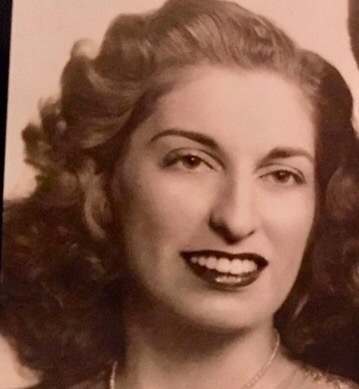
Veronica Buckley’s mother, Gladys Marie Savarese


Are Your Groups/Teams Practicing Psychological Safety?

Psychological safety is the belief that you can speak up, take risks, and put forward ideas, questions or challenges, without facing ridicule or retaliation. William Kahn, psychologist

I have led and created small groups for many years. I’m a believer in the power of a safe place where people can gather to learn and share ideas. When I bring a group or team together, I establish “rules” such as: Assurance of confidentiality, don’t interrupt, don’t give advice unless asked, be an active listener.

Only recently did I come across the above quote about psychological safety which puts in more technical terms what I’ve instinctively considered important. This is how the concept applies to groups: “In psychologically safe teams/groups, team members express mutual respect, trust and interest in each other as people. Team members do not attack each others’ knowledge, competence, motivation, personality or character. Opinions and arguments are decoupled from the personality of the person expressing them.” 

In our family, work, social, and faith groups, I challenge us all to act with these measures in mind. 

Affirmation: I practice psychological safety.

Coaching questions: What has your group/team experience been like over the years? How will you practice psychological safety in the future? How will you help others do the same?

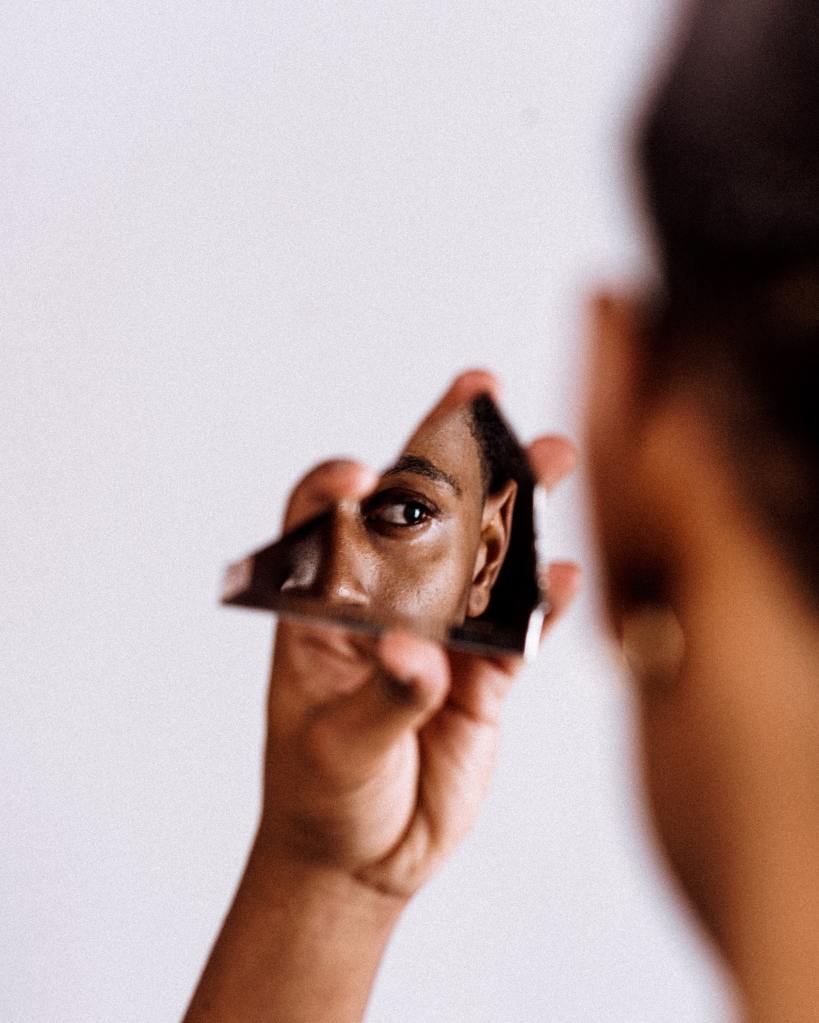
Photo by adrianna geo on Unsplash 

Lines, Lines, and More Lines

On March 11, 2020, the World Health Organization declared COVID-19 a global pandemic. Today, more than 2.62 million people have died from COVID.

For me, the symbol for the pandemic is lines. 

Lines for testing

Lines for food

Lines for the unemployed

Lines for vaccine reservations

Lines for shots

Sadly, there are also lines of tears streaming down the cheeks of those who lost loved ones, who are missing family, who are lonely.

My hope is that there will soon be lines in front of theaters, sporting events, museums. I hope to see tears of joy lining the faces of many as they reunite with loved ones and resume the normalcy of their lives. 

Affirmation: This pandemic taught me patience and empathy for those who have lost so much.

Coaching questions: What symbol will you use for the pandemic? What has this year meant to you and yours?

Photo by Keenan Constance on Unsplash 

Show Yourself Some Compassion

Love and compassion are necessities, not luxuries. Without them, humanity cannot survive. Dalai Lama XIV, The Art of Happiness

Often we speak of compassion as something we have for others—as in the quote by the Dalai Lama. I agree. We were meant to live in love and community. 

I also believe that compassion needs to be about the grace we extend to ourselves. When we treat ourselves with the same compassion we show to others, we can be more resilient and more capable of loving. Some days, we may fall short of the expectations we have for ourselves but that’s okay, we too are flawed human beings in need of love and compassion.  

Affirmation: I have compassion for myself and others.

Coaching questions: How do you treat yourself when you fall short of your expectations? What does the voice inside your head say to you? What will you do to modify that voice to speak more compassionately?

Photo by jurien huggins on Unsplash

Tame Your Monkey Mind

The thoughts swing from limb to limb, stopping only to scratch themselves, spit, and howl. Elizabeth Gilbert, author

I’m sick of cooking dinner. My daughter hasn’t called me lately—I wonder if she’s mad. What’s that beeping noise? I wish I hadn’t posted that last remark. 

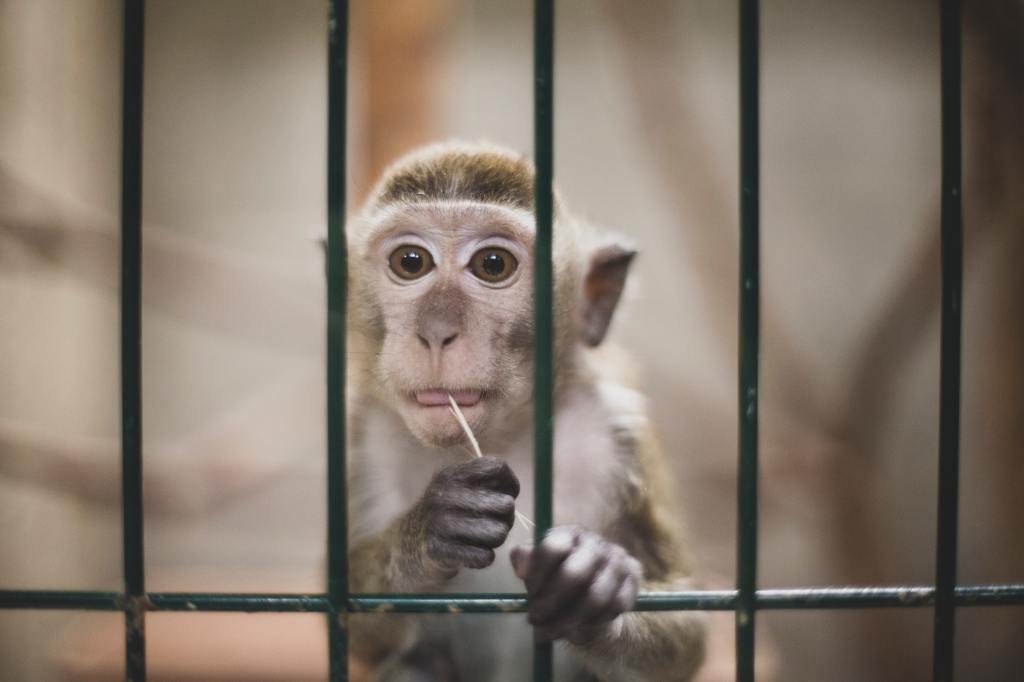
For centuries, Buddhist scholars have called this type of worthless mind-chatter “monkey mind.” If you’re having this experience, here are a few suggestions from signs posted on the monkey cage at the zoo:

Watch but don’t stare. 

Don’t fixate on one thought but let it flow through and out of your mind. This is how meditation works.

Don’t take pictures. 

Holding on to negative thoughts gives them power. Endlessly focusing on a thought is called ruminating, a set up for a negative mood or worse.  

Don’t feed the monkeys. 

What we pay attention to grows. Feeding the darker side of monkey mind leads to more. Stop paying attention to these thoughts and they will diminish.

Affirmation: I can tame my monkey mind.

Coaching question: What will you do to tame your monkey mind?

Weathering Life’s Storms

March roars in like a lion
So fierce, The wind so cold,
It seems to pierce.

The month rolls on
And Spring draws near, And March goes out
Like a lamb so dear. 
Poem by Lorie Hill 

The New York City Public Library has two lions flanking the grand stairs. Their names are Patience and Fortitude. They were given their monikers during the Great Depression by the mayor of the city, Fiorello La Guardia, who believed these two qualities were essential to overcome challenging times. Nearly 100 years later we still need reminding that patience and fortitude will get us through difficult times. 

March may or may not come in like a lion and go out like a lamb. However, no matter what’s happening outdoors or inside our heads, we need these qualities to weather the storms of our lives. 

Affirmation: I have patience and fortitude.

Coaching questions: What storms are you weathering through right now? If March is coming in like a lion for you, what can you do to help it go out like a lamb? 

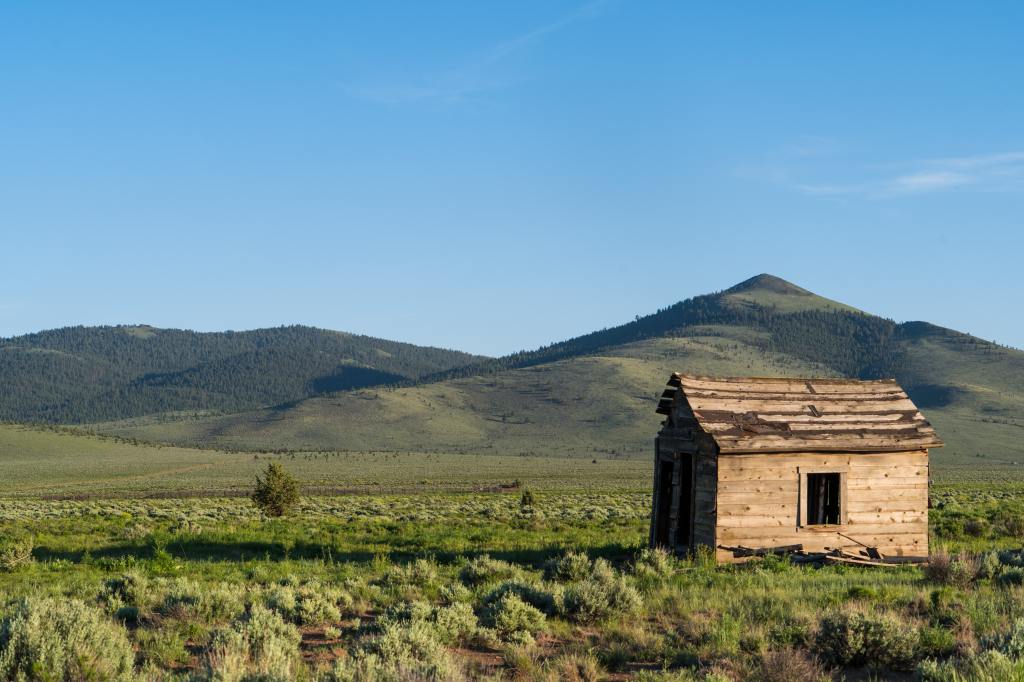
Photo by Francesco De Tommaso on Unsplash

Striving For No Regrets

Regret for the things we did can be tempered by time; it is regret for the things we did not do that is inconsolable. Sydney J. Harris, journalist

Maxcine, one of my dad’s best friends and a dear friend of our family, died this week. She was 101-1/2. I flew to Nebraska for her one-hundredth birthday and I’m so glad I did (thank goodness it was pre-COVID). Have no regrets—I keep telling myself. 

Regrets usually stem from what people don’t do—not from what they did. I certainly regret some things I’ve done in my life but I’m hoping to reduce the regrets from those things left undone.

Affirmation: I’m striving to have no regrets.

Coaching questions: What, if left undone, will you regret in the future? What’s keeping you from doing it? 

Embracing Life’s Unplanned Moments

Half our time is spent trying to find something to do with the time we have rushed through life trying to save. Will Rogers, actor

I’m a person who loves structure, however, what I’ve missed most about this year of “staying safe at home” has been the moments— time hanging out with my daughter while she sews, an impromptu lunch with a friend, taking my grandchildren to a movie, a chance meeting with a fellow author at the Farmer’s Market.   

As I’ve aged, I’ve learned that, in addition to measuring life by what I’ve achieved and checked off my to-do list, I also find value in being in the moment and savoring the unexpected. I’ve learned that sometimes structure can shield us from the fullness of life.

Affirmation: I embrace the unplanned moment. 

Coaching questions: How do you view time? As a friend or an enemy? Are you rushing through or savoring the time you have? How can you tweak your life so you won’t miss the precious, unplanned-for moments? 

The Power of Community

The greatness of a community is most accurately measured by the compassionate actions of its members. Coretta Scott King, author, activist, civil rights leader

I’m in the third rewrite of my debut, historical fiction novel about living on the Nebraska prairie. The story depicts one year, 1875-76, in the life of my great-grandmother, Elizabeth Schultz Horn. Although I didn’t plan for this, the theme for the book is the importance of community and compassion towards one another. 

The wild west of the 1800’s is known for it’s rugged individualism but, in reality, it was the interconnectedness and sense of community that helped families survive the hardships of life in one room houses on the prairie. 

What I’ve missed most over the past twelve months is community—up close, hugging, eye-to-eye comradeship—with family and friends. Unconsciously I created a powerful sense of community for my book characters so, for a few hours each day, I can magically connect personally with friends and neighbors. 

Affirmation: I value living in community with those I care about.

Coaching questions: What has being masked and physically separated from people you care about meant to you? What have you learned from this separation? 

Get Unstuck From Emotional Pain

Although the world is full of suffering, it is also full of the overcoming from it. Helen Keller, author, teacher

Are you stuck in emotional suffering? There is no deadline on the time one experiences grief or other emotional pain. There are those, however, who become stuck in their suffering as they experience a hidden payoff— the familiarity, security and comfort in the old familiar ways of living and feeling. 

If you’re wanting to break out of suffering, know that stepping away is possible, just as we can step out of our comfort zone in other realms of life. 

If you are suffering due to long-ago loss, ask yourself, “Is this what my loved one wants for me? Is my suffering the best way to honor his/her memory?” 

Affirmation: I free myself from suffering.

Coaching question: What is the payoff you get by continuing to suffer? When you’re ready, what action will you take to move away from suffering? How will your life look without it?

Photo by omid bonyadian on Unsplash