Blog

Teach Children to Honor the Earth

One of the first conditions of happiness is that the link between man and nature shall not be broken. Leo Tolstoy, author 

Happy Earth Day 2021! Teaching love and respect for Mother Earth needs to happen year round and begin at a young age. Teach children to not be wasteful, recycle, respect the nature around them—leave nothing behind but footprints.

Looking for some creative ways to start engaging with your little ones about the environment and civic engagement this Earth Day?

1. As children are starting to learn color identification, take them outside and have them identify different plants and animals of all colors of the rainbow.
2. Educate children about the cycles of life by hatching butterflies, watching tadpoles turn into frogs, or simply owning a pet of any type.
3. Collect fallen leaves and identify types of trees. Create art with the leaves to help the children learn the varied beauty of their colors, shapes, and sizes.
4. Help children enjoy stillness as they listen for the sounds of nature.
5. Plant a garden with your little one.

Affirmation: I will link the young people in my life to nature.

Coaching questions: How do you connect with nature? What does this connection mean to you? How important is it to share this connection with the youngsters in your life? What difference might it make to the future of our planet?

Photo by Paige Cody on Unsplash 
What Have You Learned From Your Three Great Moving Experiences?

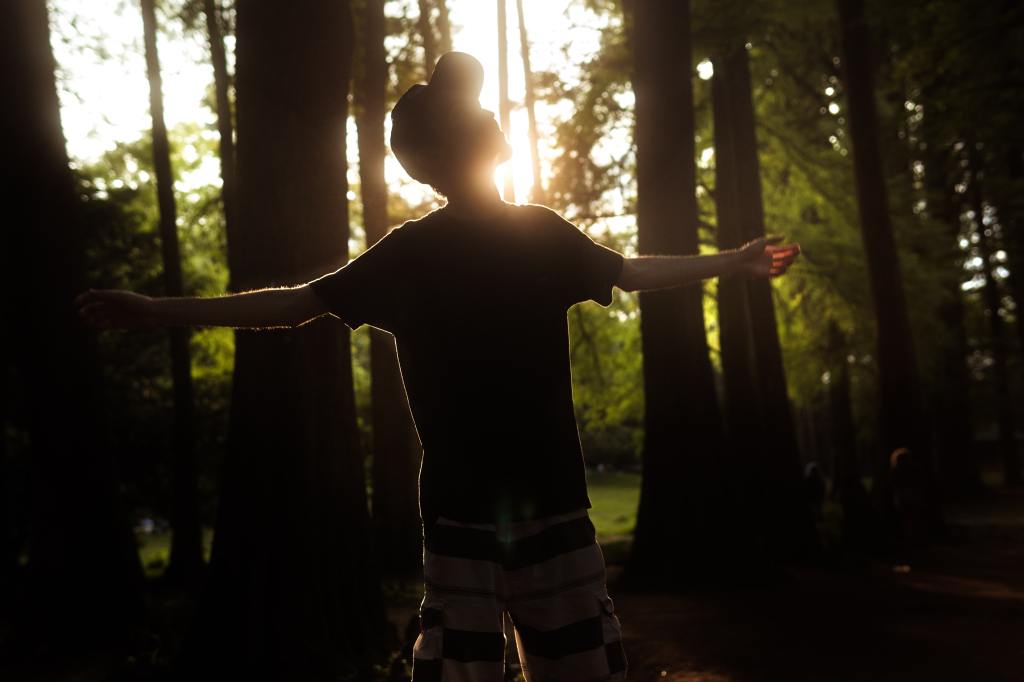
We have two or three great moving experiences in our lives—experiences so great and moving that it doesn’t seem at the time that anyone else has been caught up and pounded and dazzled and astonished and beaten and broken and rescued and illuminated and rewarded and humbled in just that way ever before. F. Scott Fitzgerald, author

What experience has pounded, broken, rescued, illuminated, or humbled you? My top three are early mother loss (age 8), divorce , death of a spouse. With perspective, I can finally recognize that, in addition to pounded, beaten, and broken, these experiences have also rescued, illuminated, rewarded, and humbled me. 

I am who I am today because of my past experiences—positive and negative; loss and jubilation. I’ve become more resilient, empathetic, loving, understanding, faith-filled because of my losses. My experiences of jubilation have taught me to be grateful. 

Affirmation: I embrace all the experiences of my life.

Coaching questions: Again, what experience has pounded, broken, rescued, illuminated, humbled you? What did these experiences teach you? 

Photo by Jackson David

The Importance of Telling Your Story

My mother memories that are closest to my heart are the small gentle ones that I have carried over from the days of my childhood. They are not profound, but they have stayed with me through life, and when I am very old, they will still be near. Margaret Sanger, American nurse and activist

I did an interview today with Christine Friberg, the founder and director of She Climbs Mountains (www.sheclimbsmountains.org), an organization serving women and girls who have experienced mother loss through death at any age. 

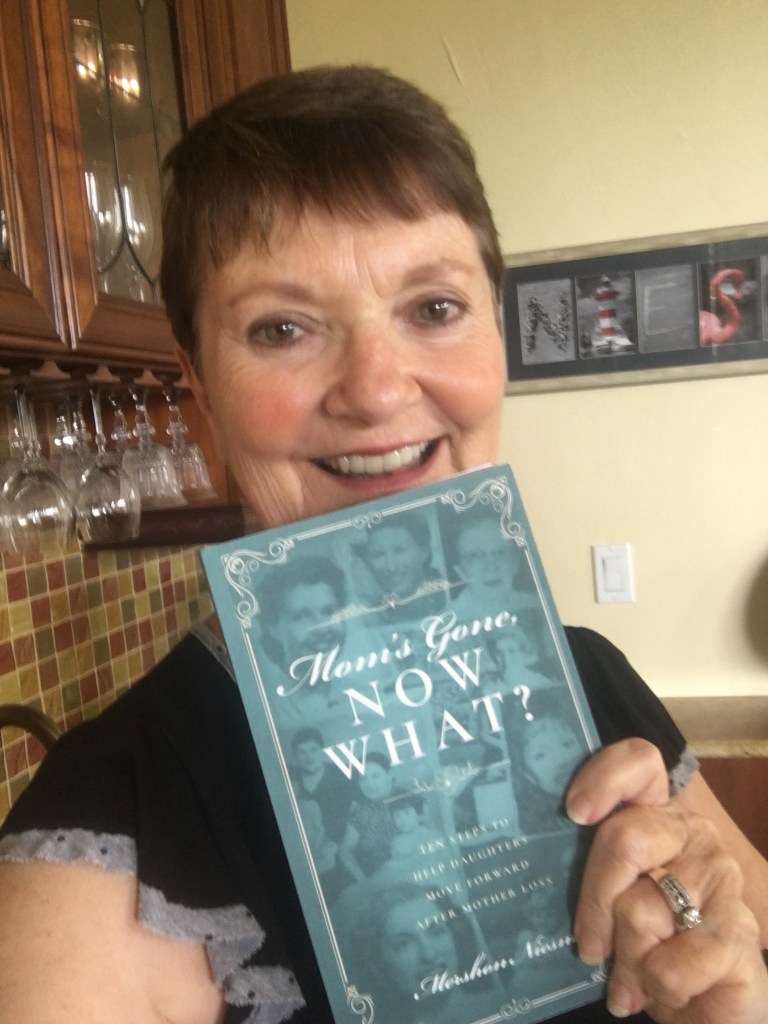
Christine asked me why I chose Tell Your Story as Step One in my book Mom’s Gone, Now What? Ten Steps to Help Daughters Move Forward After Mother Loss. Her organization shares my belief in the importance of story telling.

To answer her question, I quoted from my book, “The willingness to share our story signals a desire to leave a legacy and to turn pain into a message of hope for others.” When we hide our stories out of shame, guilt, or just plain shyness, we deny ourselves and others an opportunity to be our best selves.

Affirmation: I’m willing to share my story.

Coaching questions (from Mom’s Gone, Now What?): If you’ve never shared your full story or haven’t shared it in many years, with whom might you confide? What difference do you think sharing your story will make in your life and the life of the person with whom you’re sharing?

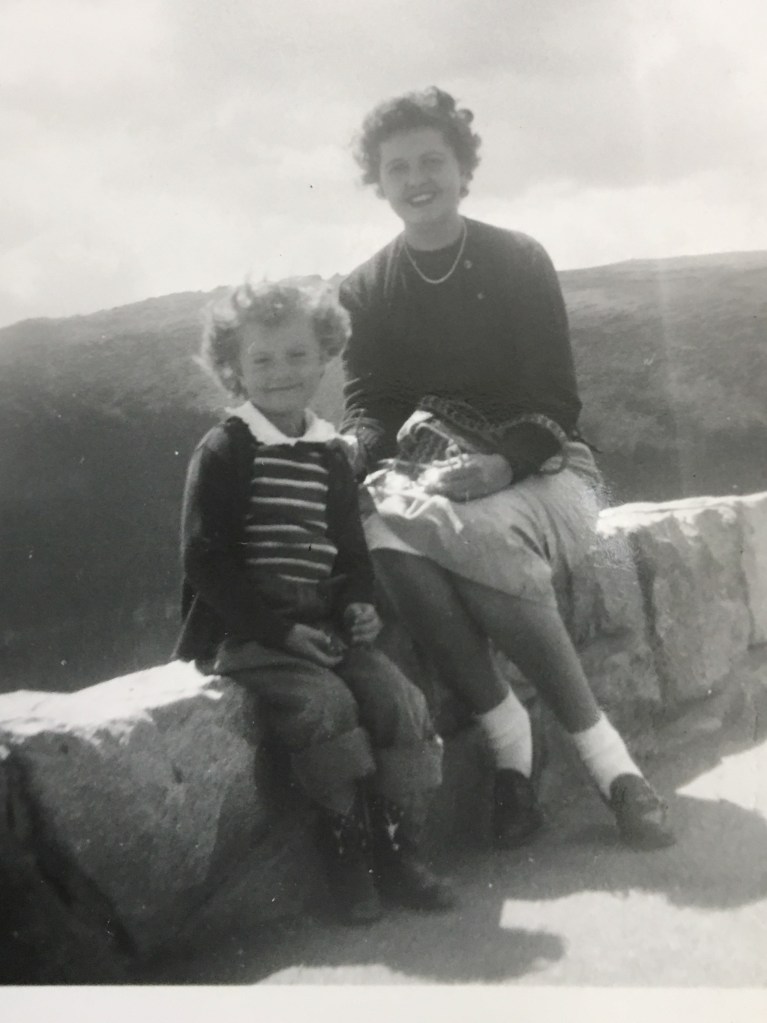
Remembering my mom and I having fun on vacation in Wyoming. Circa 1951.

Get Inspired By Oldsters

Growing old is no more than a bad habit which a busy person has no time to form. Andre Maurois, French author

Of course aging is real—more than “a bad habit” as Maurois claims. Some people age more quickly than others; disease sets in; injuries happen that speed up the aging process or keep someone from doing all they wish to do. 

On the other hand, when we’re busy doing what we love, making a difference, setting goals, we’re less likely to notice or care about our age. I’ve been reading about Grandma Moses, the famous painter who got her start in her late 70’s. She’s an inspiration as are the people listed below.

— Julia Hawkins, 103, oldest woman to compete on an American track – started running at 100.

— Nola Ochs, 95, recently earned her bachelor’s degree then went on to earn her master’s at 96 – moved into the campus dorms.

—Sister Madonna Bruder has completed over 45 Ironman competitions and continues to compete at 86.

—Harley Davidson rider, Gloria Tramonten Struck, 90, intends to embark on a cross country ride at 100.

—Oldest newly weds are George (103) and Darren (91) Kirby.

It’s not all about “doing,” it’s also about becoming and contributing.

Affirmation: I’m inspired by those who don’t let their age make a difference. 

Coaching questions: What does age mean to you? How do you feel about growing older? What do you want to accomplish in the next few years?   

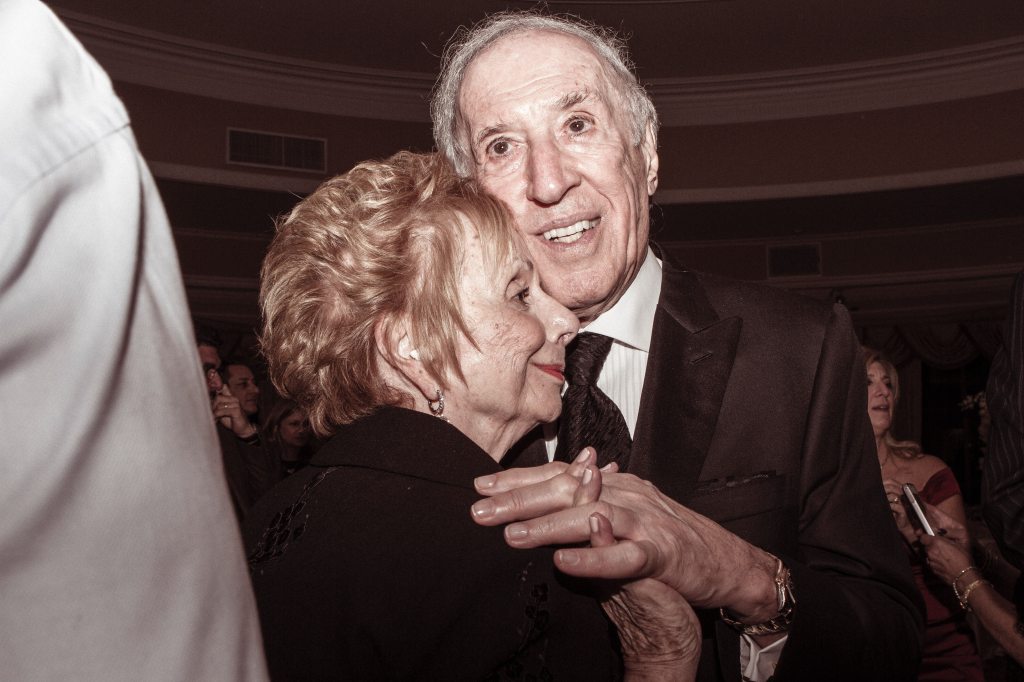
Photo by alevision.co on Unsplash

Why Didn’t We Listen to Teddy?

Here is your country. Cherish these natural wonders, cherish the natural resources, cherish the history and romance as a sacred heritage, for your children and your children’s children. Do not let selfish men or greedy interests skin your country of its beauty, its riches or its romance. Attributed to President Theodore Roosevelt’s speech at the rim of the Grand Canyon, May 6, 1903

I recently completed the manuscript of my 1875-76 historical fiction that takes place on the Nebraska prairie. It’s going to my editor next week. This quote is on the introductory page. Sadly, we haven’t learned much in all these years. Some pioneers desecrated their natural resources (think buffalo, dust bowl, trees) and we continue to do so today on a global scale.

We have, indeed, allowed selfish men (and women) and greedy interests to skin our world of some of its beauty and riches. 

Affirmation: I will do what I can to protect my world for my children’s children. 

Coaching questions: What evidence do you see that our world is being skinned of its richness?

What’s one thing you will do about this?

Photo by Dave Hoefler on Unsplash 

Finding Light On the Dark Side

You must go into the dark in order to bring forth your light. Debbie Ford, author

In her book The Dark Side of the Light Chasers, Debbie Ford asserts that as young children our personalities are like a mansion with many rooms. Unfortunately, as we get older we choose to shut down different parts of ourselves – close off the rooms that “aren’t appropriate.” As we shut these areas of our life off we end up with a smaller version of ourselves than we were meant or made to be.

As I have reclaimed some of the rooms in my mansion, I have also been able to reclaim or accept others who have the traits I’ve closed off. For instance, part of my dark side is to use food as my drug of choice. As I claim this truth, I’m not only better able to live a healthier lifestyle, I’m able to accept others with the same dark side.

When I notice that I’m appalled by people who act out of anger, I wonder about my own “room” called anger that has been sealed off and the part of me that could also act this way. What I notice and dislike most about others is often the piece within myself that I need to claim as my own. 

Coaching questions: What bothers you about others’ behavior? What really gets under your skin? Can you see this piece buried within you? Check it out and see what happens.

Photo by Arno Senoner on Unsplash 

Almost An Open Book

A friend is someone who knows all about you and loves you anyway.

Children innately protect themselves from being different. Although I was a fairly confident kid, the years following my mother’s death (about ages 9-12), I would make an excuse to leave a group if the conversation turned to family. I didn’t want to say, “I don’t have a mother.” Being different felt scary. In those days, I didn’t even know anyone with divorced parents much less anyone who had a parent that was missing or dead.

Now I’m mostly an open book…but not completely. I haven’t totally bought into the truth of the quote above. I’ve learned that sharing all the skeletons in the closet isn’t necessary to maintain and expand a relationship. Some things are better left where they are.  

Affirmation: I’m, almost, an open book.

Coaching questions: Are you an open book? What’s too scary or unnecessary to reveal…even to your best friend? 


Preparing for THE Anniversary

It happened in New York, April 10th, nineteen years ago. Even my hand balks at the date. I had to push to write it down, just to keep the pen moving on the paper. It used to be a perfectly ordinary day, but now it sticks up on the calendar like a rusty nail. Donna Tartt, author of The Goldfinch

There is a year nearly every daughter who has lost her mother describes as “very significant.” This is the year when she becomes the age of her mother when she died.

If you have not yet reached this anniversary year when your mother died or was swept away by dementia, take care to not be blindsided by its significance. Be ready, not with a mind filled with anxiety, but with facts and the assurance that you can survive and thrive past this auspicious date or season in time.

Affirmation: I understand the significance of this anniversary.

Coaching question/request: What will help you prepare? If you’re past the age, reflect on how the anniversary was significant and what you learned. 

What I’ve Learned Lately

We should never stop learning, because life never stops teaching. Bahram Akradi, CEO of Life Time

I’ve had the opportunity to do on-line interviews lately and some interviewers have asked, “So what did you learn from writing a self-help book about mother loss?”

Here are the top ten things that come to mind:

  1. I needed to be brave enough to dig deep into my emotions and share what I found including finding a way to express the dark side of my mother loss journey. 
  2. Time doesn’t heal. It’s what you do with the time. Healing is possible when we choose responsibility, when we choose to take risks, and, finally, when we choose to release the wound, to let go of the past or the grief.
  3. Accepting the hand you’re dealt and moving forward in spite of loss is the way to freedom.
  4. To ask why is to stay in the past, to keep company with guilt and regret. 
  5. Knowing you have Alzheimer’s and having Alzheimer’s are two diseases. When a loved one has Alzheimer’s, you lose them twice. 
  6. How to create a blog and write posts for years, how to develop a web site, how to create a Powerpoint Zoom program.
  7. How to feel the fear of putting myself and my creative work “out there” and doing it anyway. 
  8. The importance of a great developmental editor.
  9. Expressing our grief through creativity is healing.
  10. Writing, publishing, promoting a book is really hard work but very rewarding. 

Affirmation: I want to learn something new everyday.

Coaching questions: What have you learned lately? What difference did it make in your life? 

Do You Need a Realignment?

It’s important to accept the we will keep falling out of balance and will have to keep re-finding our equilibrium. But that’s good. That’s living. Diane Barth, LCS, author of I Know How You Feel

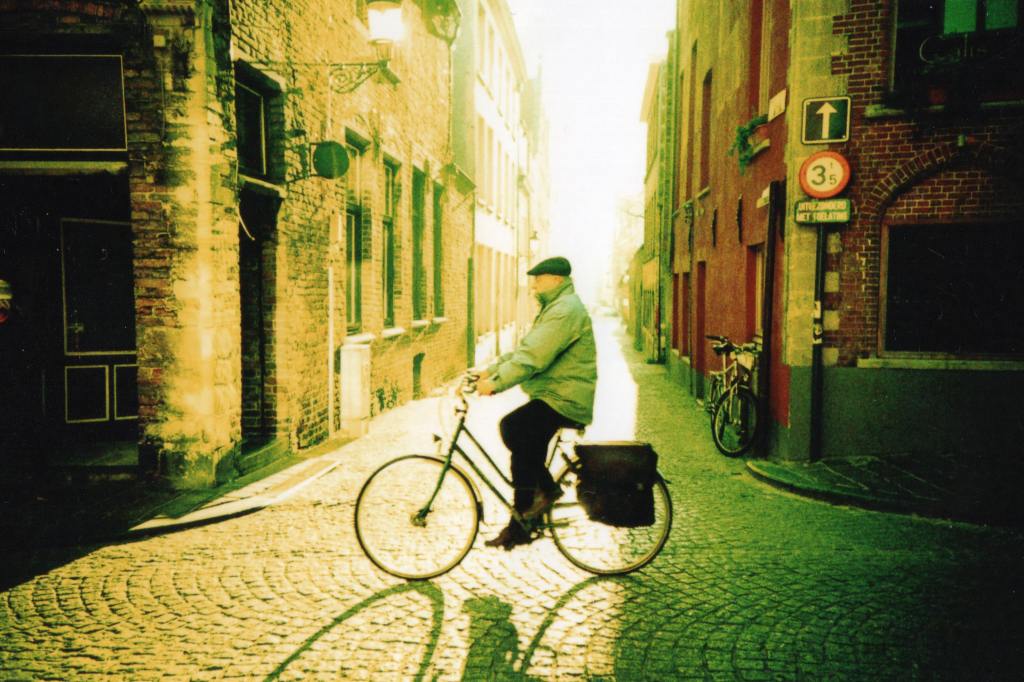
A balanced life is an ongoing process. Rick Hanson, Ph.D. explains. “We’re very dynamic. We’re never on exactly the right course; we’re adapting.” He compares the process to riding a bike. You shift your weight as you turn a corner, or you make adjustments to avoid an obstacle. 

If your goal is to live a perfectly balanced life, you’ll be disappointed. Although balance gives us a sense of stability and security, it’s something we have to constantly redefine and refine. Pay attention to signs like anxiety, depression, irritability, dissatisfaction and unhappiness. All can be signs of a life in need of realignment. 

Affirmation: I strive everyday to realign my life and keep it in balance.

Coaching questions: What is your clue that your life is listing to one side or the other—it’s out of balance? What helps you regain your equilibrium? 

Photo by Scott Evans on Unsplash