Blog

Exchange “Merry” For Contentment

Start where you are. Use what you have. Do what you can. Arthur Ashe, professional tennis player

If you’re feel lonely, depressed, or joyless this holiday season, you’re not alone. The truth is, sometimes life is difficult—even in December; mostly in December for some.

The trouble comes when we compare our inner reality with everyone else’s highlight reel — the matching pajamas, the picture-perfect family gatherings, the beautifully laid table. Real life is rarely that neat. The truth is, joy isn’t something we can manufacture on command; it’s something that visits when we make room for it.

This year, give yourself permission to step out of the performance and off of the stage. Light one candle instead of ten. Listen to music that soothes rather than jingles. Say yes to what comforts you and no to what drains you. You may find that when you stop chasing “merry,” quiet contentment begins to appear.

Coaching question: What are two ways you can comfort yourself during this time of year? 

Combating Grief With Exercise

No matter how busy my life gets, if I do nothing else, I lift weights. Maggie Fazeli Fard, Master Fitness Trainer

One way to move beyond grief is to move towards self care. If you’re wondering where to start in prioritizing your fitness training, Maggie Fazeli Fard, Senior Fitness Editor for Experience Life Magazine and a Master Fitness Trainer, recommends you start with strength training.

Maggie writes, “No matter how busy my life gets, if I do nothing else, I lift weights. Why? Because it builds muscle, boosts bone density, improves cardiovascular functioning, balances hormones, inspires creativity and cognitive function, supports mood and mindset, keeps me mobile, and supports healthy aging.”

Weight training sounds like a magic bullet and it’s never to late to get started!

Coaching questions: What are your fitness priorities? How will exercise help you move forward?

Learn To Excel At Doing Nothing

Be a curator of your life. Slowly cut things out until you’re left only with what you love, with what’s necessary, with what makes you happy. Leo Babuta, simplicity blogger and author

Was there ever a time in your life when you excelled at doing nothing? Perhaps when you were a youngster building sandcastles or a teen spending hours experimenting with make up? Thinking back to those times might spark some recognition of the slower-paced you. 

The Italians have a phrase il dolce far niente, which literally means “the sweetness of doing nothing.” It means slowing down enough to appreciate and even embrace the simple pleasures of life. 

Coaching question: What would il dolce far niente mean for you now?

Photo by Keegan Houser on Unsplash

RX For Burnout

Nothing is worth your health. Nothing is worth poisoning yourself into stress, anxiety, and fear.  Steve Maraboli, author and athlete 

One of the best solutions for burnout is the simple act of slowing down your movements. Intentionally moving slowly is a tiny rebellion that can help you regain your power, purpose, and a new sense of direction. Slowing down your movements will also help you decide how to use your energy.

Whether internally or externally, pausing so that you can move slowly is how the power of choice can reemerge in your life. For instance, instead of letting your phone decide who or what is important to you, take time to reflect on what you value most. Use your electronic devices as tools and don’t allow them to use you.

Coaching question: What can you do to prevent burnout? 

Photo by SEO Galaxy on Unsplash

The Heat Got You Down?

The worst kind of sad is not being able to explain why. Unknown

According to psychiatrist Prakash Masand, MD, founder of COPE: Centers of Psychiatric Excellence, seasonal depression rates can be higher in the summer in traditionally warm climates–and aren’t most of us experiencing warmer than usual weather this year? Experts think the lethargy that comes with sweltering heat could play a small role. Also, your rate of activity may have declined due to the heat which could also be a factor in your psychological well-being. 

Here are a couple of tips to help you feel better: 

  • Just as people who experience SADD schedule a trip to the beach in the winter, consider a trip to the mountains or another cool location for a week this summer.
  • Keep water with you. Even mild dehydration can cause your mood to dip.
  • Check on your sleep. If your sleep is interrupted due to heat or your routine, this too can cause mild depression. 
  • Get back to exercise. If it is too hot for your usual walk on the beach, change it up with a trip to the gym or the YMCA. 

Request: If you’re more than mildly depressed, have feelings of hopelessness, or serious insomnia, please seek professional advice. 

Coaching question: If the weather is playing a role in your mild depression, what will you do about it? 

Image by cloud_purple from Pixabay

Embrace JOMO

There is more to life than increasing its speed. Mahatma Gandhi, an Indian lawyer, anti-colonial nationalist and political ethicist.

Embrace JOMO (the joy of missing out) which is the antithesis to FOMO (the fear of missing out). In a culture that glorifies busyness, JOMO allows you to slow down, simplify your life, and live in the moment. It’s about intentional living. 

Consciously choose quality over quantity, presence over distraction, and simplicity over complexity.

It’s not easy to change your lifestyle or your nature. Take it a step at a time. Ease in to your slower-paced life by taking the advice of Leo Babuta, simplicity blogger and author. “Be a curator of your life. Slowly cut things out until you’re left only with what you love, with what’s necessary, with what makes you happy.” 

Affirmation: I will embrace JOMO.

Coaching question: What’s one thing you can do to slow your life down and live in the moment? 

Photo by Thomas Bennie on Unsplash

Have You Been Streaking Lately?

Success isn’t about greatness; it’s about consistency. Consistent hard work leads to success. Greatness will come. Dwayne Johnson, American actor and professional wrestler. 

It’s summer, a time for enjoying the out-of-doors, vacations, and relaxing. But we still want to get things done and to do that we need to STREAK.

Not dashing onto the football field naked but maintaining a steady progress toward what we want to accomplish. 

Whether we call the activity a streak or a practice, a ritual or a ceremony, it’s serving a similar purpose: adding structure, purpose, predictability, meaning to our days.

Bursts of effort may work for the short term but as Johnson suggests, steady streaks of activity will lead to success.

Affirmation: I will put a practice in place to accomplish my goals.

Coaching question: What goal do you have that you want to sustain steady progress or produce a streak of activity to accomplish? 

Photo by Joel Timothy on Unsplash

Are You Aging Well?

The purpose of life is not happiness, it’s usefulness. Author, Darius Foroux

In my new book, It’s (Mostly) Good To Be Martha, my fictional character is approaching ninety and resides in assisted living. 

But Martha is aging well. She values her friends, finds ways to have fun beyond Bingo, and keeps herself in good shape by regularly visiting the workout room. She has a hobby, attends virtual church, listens/reads books she obtains from outings to the library, and is enjoying a couple of romances. She also solves mysteries at Martyn Manor. I hope you, dear reader, are as fortunate as you approach ninety. 

Affirmation: I’m aging well.

Coaching question: What are you doing to stay mentally, physically, spiritually in shape as you age?

Mershon, almost 80, is shown here with her 90-year-old friend Martha who, like fictional Martha, is also a vibrant woman residing in assisted living.

Tips On How To Handle Mother’s Day

Dear Motherless Daughter,

You’re probably not looking forward to Mother’s Day this year—or any year. I’ve been motherless since I was eight and I still don’t look forward to Mother’s Day. Even when my children were young and celebrated me with handmade cards and burnt toast, I still felt sad that I wasn’t able to personally celebrate with my mom. 

When I was a kid, my dad and I planted window boxes for my mother on Mother’s Day. The colorful boxes sat under the two windows at the front of our modest, post-war bungalow in Nebraska. Flowers have always reminded me of my mother—from the pink carnations on her casket to the bachelor buttons and multi-colored zinnias she planted in our backyard.

I’ve had seventy-one Mother’s Days to learn how to survive the day in the healthiest way possible. Here are a few tips I’ve learned along the way:

* Plan ahead for how you’ll spend the day. My husband and I will take a local dinner cruise on Mother’s Day (I live in Florida). Balmy weather, beautiful scenery, the movement of the boat, and someone besides me preparing lunch, all make for a lovely day and takes my mind off the sadness.

* Do something to honor your mother. In my gardening days, I frequently planted a rose bush or other long-lasting, flowering plant. These days, I buy “us” a bouquet of pink carnations.

* Acknowledge your sad feelings. If you’re new to loss, use Mother’s Day as a time to tell your mother-story to a trusted friend or share your sad feelings with someone you love. If this isn’t possible, journal about your feelings. Be honest when someone asks, “How are you?” 

* Stay away from triggers. It’s hard to avoid the hype for Mother’s Day—ads for gifts, card displays, social media posts of happy mothers and daughters. Don’t fixate on them. Move along. You can be glad for those who are celebrating without immersing yourself in situations that tap into your sadness or anger. 

* Celebrate the mothers in your family. Even if it’s a difficult day for me, I’m thankful that my children didn’t grow up motherless. My mother also grew up without a mother (her’s died when she was three), so I’m particularly grateful to have broken the cycle of loss.

* Stop anticipating disaster. Sometimes the anticipation of Mother’s Day is worse than the actual day. That’s how “COVID-Christmas” was for me. Anticipating the holiday away from family was terrible; the actual day—not so bad. The lesson? Tell yourself it’s just another day—one day out of 365. Don’t succumb to the “ain’t it awful” syndrome. 

Thinking of you—Mershon

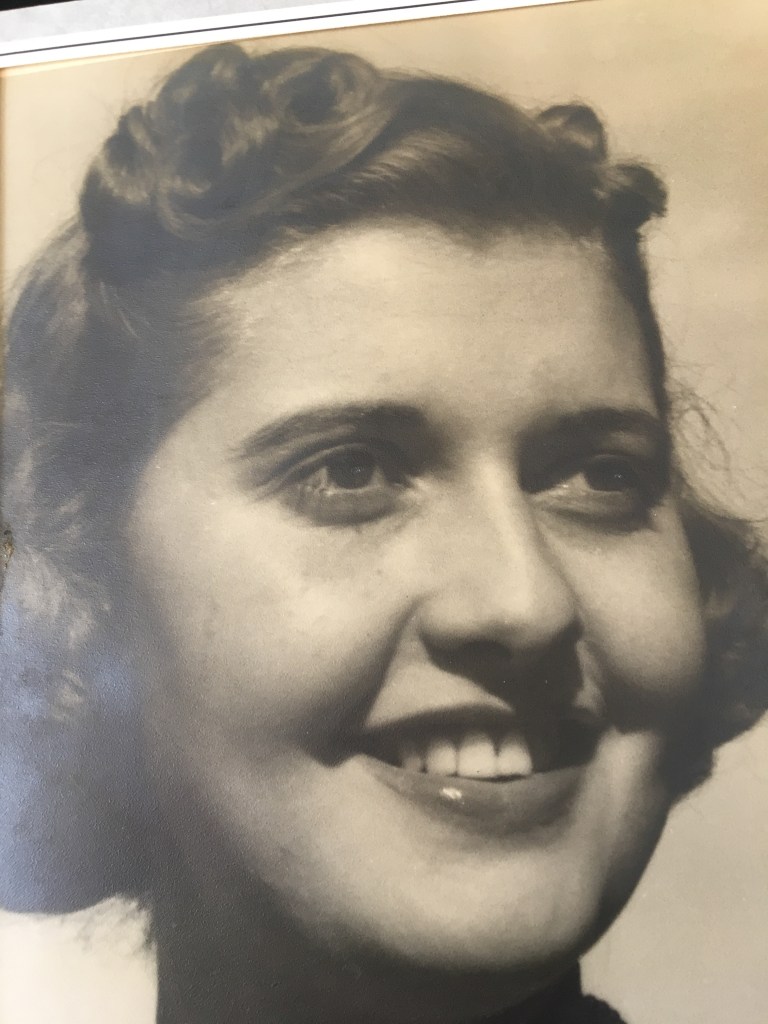
My Mom and I in 1945.

Pets Bring More Than Joy

Dogs are not our whole life, but they make our lives whole. Roger Caras, American naturalist, animal welfare activist, wildlife photographer and writer.

Studies show that pet ownership can significantly improve both physical and mental health.

  1. They boost happy hormones. For most people, being near an animal prompts their body to release serotonin, prolactin, and oxytocin, hormones that help you relax and alleviate stress. The release of these happy hormones may reduce feelings of depression and sadness and boost mental wellness.
  2. They relieve anxiety. Animals help many people feel at ease. Those living with anxiety or dealing with agitation caused by dementia or other illnesses can benefit from animal therapy to calm their nerves and promote relaxation.
  3. They provide companionship and purpose. A common symptom of depression is a loss of purpose or feelings of hopelessness. Animals offer companionship and comfort, which reduces loneliness and provides a sense of purpose – especially if you are caring for the animal.
  4. They encourage you to stay active. Whether you are caring for a pet or volunteering for an animal sanctuary, being around animals often requires you to be outside in the fresh air and encourages exercise.

Affirmation: Pets make a difference in the life of their owner.

Coaching question: If you have a pet, what difference do it make in your life? If you had a pet in the past, what’s one of your favorite memories of that pet?