Blog

Surfside, We’re With You

There is no medicine like hope, no incentive so great, and no tonic so powerful as expectation of something better tomorrow. Grison Swett Marden, MD

We have spent time this past week empathizing with families of the victims of the high rise building collapse in Florida. We watch as they hold out hope that their loved ones will be found alive. 

As Dr. Marden says, hope is a powerful medicine. But as the days turn into weeks, then what? How do we handle life when hope is gone? How do we learn how to live with our loss? 

We grieve, we take care of ourselves, we preform small daily tasks, we share stories with others who have similar losses, we seek help when we need it, we find creative outlets for our memories and our sadness.

In these next days, when hope in Surfside wanes, I pray that loved ones will find comfort as they celebrate the lives of those who were lost. I hope they know that people the world over are sharing in their sadness as we recall our own losses.

Affirmation: I share the grief of others.  

Coaching questions: How do you handle life when hope is gone? In the past, what helped you in your grief?

Photo by Ben White on Unsplash 

Take Care of Your Brain

Between 2000 and 2019, deaths from heart disease have decreased 7.3% while deaths from Alzheimer’s have increased 145%. 

June is Alzheimer’s & Brain Awareness Month — an opportunity to hold a conversation about the brain, and share the fact that Alzheimer’s disease and other dementias are a major public health issue. 

My understanding of the disease and it’s devastation increased when I interviewed daughters who lost their mothers to Alzheimer’s as part of my research for Mom’s Gone, Now What? I learned that everyone who has a brain is at risk to develop Alzheimer’s, the only leading cause of death that cannot be prevented, cured or even slowed. 

As dire as this sounds, however, there is growing evidence that people can reduce their risk of cognitive decline by regularly challenging their mind, engaging in physical exercise, eating a proper diet, limiting their use of alcohol, getting adequate sleep, and staying social. 

Affirmation: I am aware of the impact of Alzheimer’s. I support caregivers and family members. 

Coaching questions: What are you doing to keep your brain healthy? Will you go to www.alz.org to learn more?

The Bliss of Blamelessness

When you blame others, you give up your power to change. Robert Anthony

Even when we’re entitled to it, resentment consumes energy. Becoming curious about a hurtful experience instead of taking it personally can help diffuse blame toward another person. 

When you’re trying to break the habit of self-recrimination, focus on how you want to feel. Train your brain to experience joy by remembering how it felt to make the right decision.  

Motherless daughters occasionally blame their fathers, doctors, even themselves for the circumstances of their mother’s death. Break the hold of blame and experience the bliss of blamelessness. 

Affirmation: I will move away from blame.

Coaching questions: In what area of your life are you blaming others for your circumstances? What will you do to move away from the blame and experience joy again? 

Photo by Obie Fernandez on Unsplash 

Relieving Stress With Shinrin-yoku

Walking in a leafy area for 90 minutes can keep you from dwelling on negative thoughts. Stanford resarchers

I had a very stressful weekend. So, this morning I took myself to a nature preserve and I did shinrin-yoku, the Japanese stress-reduction practice of forest bathing. 

That’s right…bathing…soaking up the sights, sounds, and smells of the woods or other tree-dense environment. After a two mile walk along a stream and through the trees, I felt calmer and more peaceful.

Affirmation: Nature soothes me.

Coaching questions: Research says that the typical American only spends five percent of his or her time outside. Is this your experience? What would a walk in the woods…a forest bath…do for you? Are you willing to check it out?

Photo by Steve Halama on Unsplash 

Are You Wrestling With Father’s Day?

A father is neither an anchor to hold us back nor a sail to take us there but a guiding light whose love shows us the way. Unknown

With Father’s Day approaching, my guess is you’re either delighted to have a chance to celebrate your father (dead or alive) OR you’re anxious that the day will dredge up your dreadful dad-memories from the past. 

I was a motherless, only child with few relatives. Fortunately, I had a great dad—a life-changing kind of dad. I took my fortunate circumstance for granted until, as an adult, I participated in two motherless daughter therapy groups. This is when I first understood the enormous role (positive and negative) fathers play in the lives of motherless daughters. 

When I interviewed over fifty daughters of loss for my book I again became profoundly aware of the heartache and emotional damage many motherless daughters experience at the hands of their fathers (and step-fathers). 

From these interviews, I learned a few things about managing trigger-days that occur in our lives. Here are a few tips to help you manage Father’s Day. 

  1. Forgiving is not forgetting. Forgiveness is for you and your mental health; not for your father’s well-being. Forgiving a person doesn’t mean you’re condoning their bad behavior. It means you’re strong enough to let go of the negativity you’re feeling and move on.
  2. Get out of the guilt trap. If you experienced early mother loss, you were at the mercy of your primary care-giver. Your neglect, or worse, wasn’t a reflection on you and the child you were. Stop blaming yourself—you were just a kid.  
  3. Embrace empathy. Perhaps you were emotionally neglected because of the profound grief your father experienced. This is not an excuse, but as an adult you might better understand the circumstances. This also applies to fathers who remarried quickly to the disappointment (or horror) of their young, motherless, grieving daughters. 
  4. Seek help. Emotional damage may have been done to you as a child. A professional can help you move forward. Even if your mother died years ago, it’s never too late to seek help with the issues her death caused. 
  5. It’s just a day. Father’s Day is only one day out of 365. Plan something fun to take your mind off of the day’s significance, celebrate fathers you love (uncles, brothers, sons), don’t give power to the day!

Affirmation: It’s just a day.

Coaching question: How was/is your life impacted by your dad? 

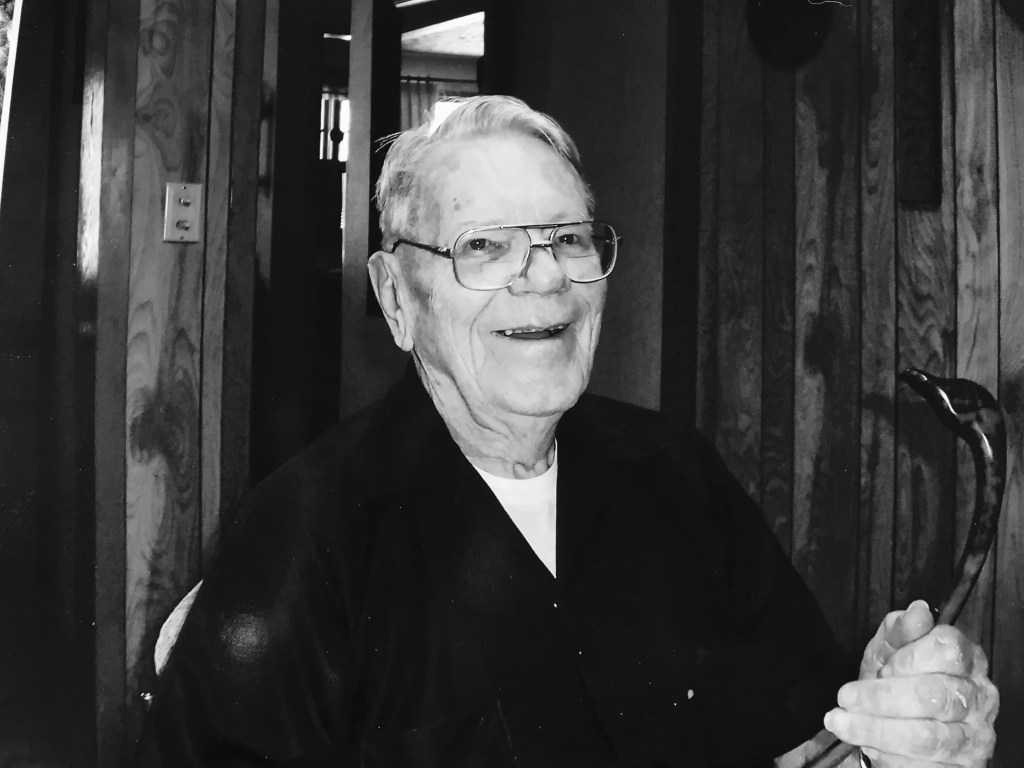
Happy Father’s Day to my dad, Leon Horn – (1917-2008)

Come, Meet Me In the Field

Out beyond ideas of wrongdoing and rightdoing, there is a field. I’ll meet you there. Rumi, Persian poet

We’re all experiencing “the great divide.” Worldwide, political organizations, and the people who follow them, are taking hardline stances. A friend of mine recently said how she is making an effort to have a better understanding of people with political views different from hers. What a great role model!

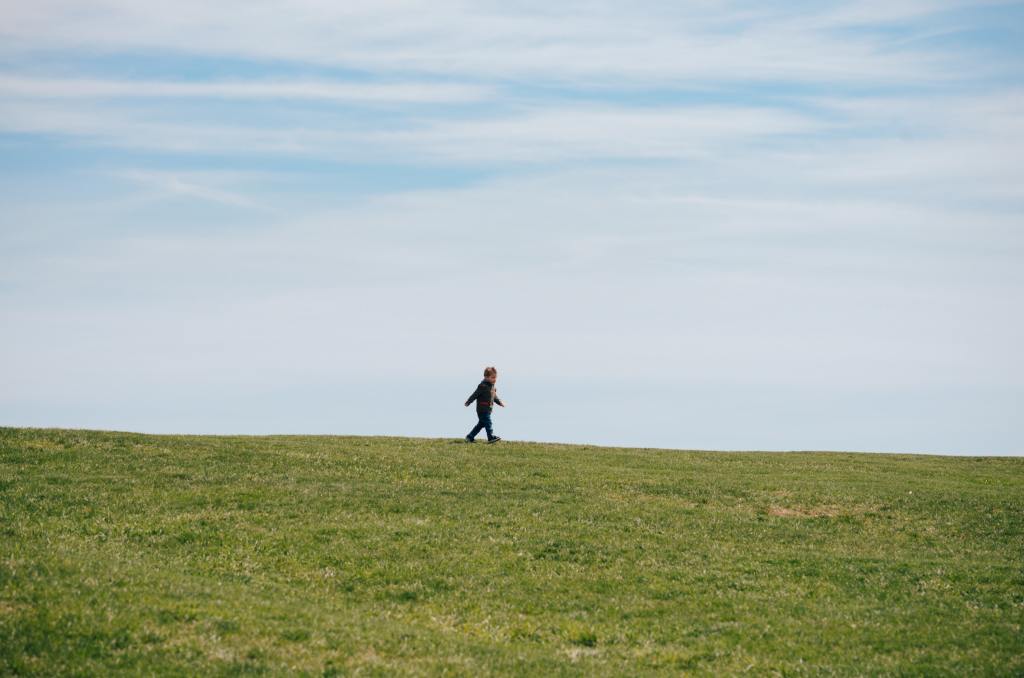
It sounds like my friend wants to meet “in the field”—that wide-open space where compromise and understanding can take place.  

Affirmation: I will make an effort to meet others in the field.

Coaching questions: What does the “field” look like from your vantage point? Is it a place to meet where understanding can happen?

Photo by Kelly Sikkema on Unsplash 

Take a Reward Break

Stop rewarding yourself with food—you’re not a dog. Author unknown (It could be Mershon’s small voice inside her head)

I recently read a paragraph in The Writer magazine that I believe applies to life in general. See if it speaks to you.

Anica Mrose Rissi, author of more than a dozen books, wrote, “Writing is a long game. As you take small steps toward larger goals, it’s important to notice, feel proud of, and celebrate minor triumphs and achievements. Pause to savor your accomplishments. Admire your best sentences. Those small boosts will fuel you along the way.”

Affirmation: Taking regular reward breaks fuel my life.

Coaching questions: What will you celebrate today? What will taking frequent reward breaks mean to the quality of your life? I will admire my best _______.

Are You Savoring and Celebrating Life?

It’s really important that post-pandemic we embrace more and more celebrating.  Tyler J. VanderWeele, an epidemiology and biostatistics professor and director of Harvard’s Human Flourishing Program

I like to take photos while on my walks and post them to Facebook. It’s a way for me to celebrate the beauty of nature. I also find satisfaction in sharing my nature experience with my friends. 

I recently learned that this is considered “mindful photography” and considered a “savoring” activity. 

In a study, college students were asked to take five photos of their everyday lives—friends, books they enjoyed, views of their campus—twice a week for two weeks. This activity resulted in an overall improvement in mood and a greater sense of appreciation of life for the participants. It worked for them and it’s working for me.

Affirmation: I celebrate my life.

Coaching questions: Do you wake up ready to start your day or would you rather go back to sleep? Do you have a sense of purpose or do you find how you spend much of your day to be meaningless? What can you do to savor the tiny victories in your life?

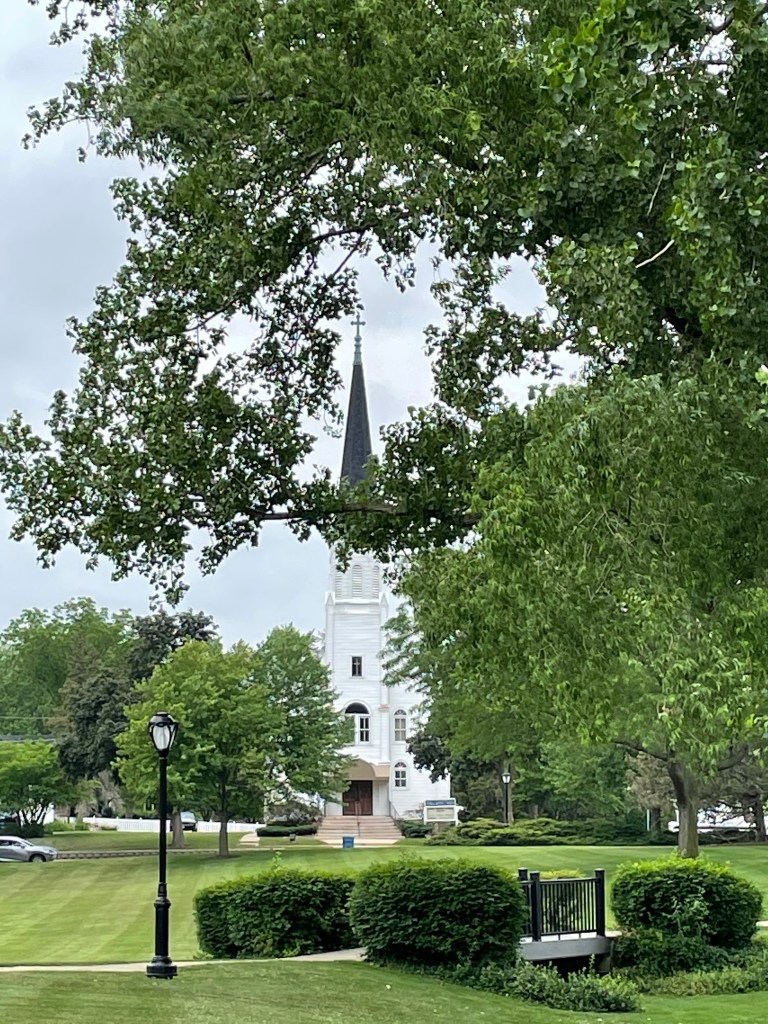
Photo taken in Itasca, Illinois, June, 2021

Feeling Buried? You’re Not Alone

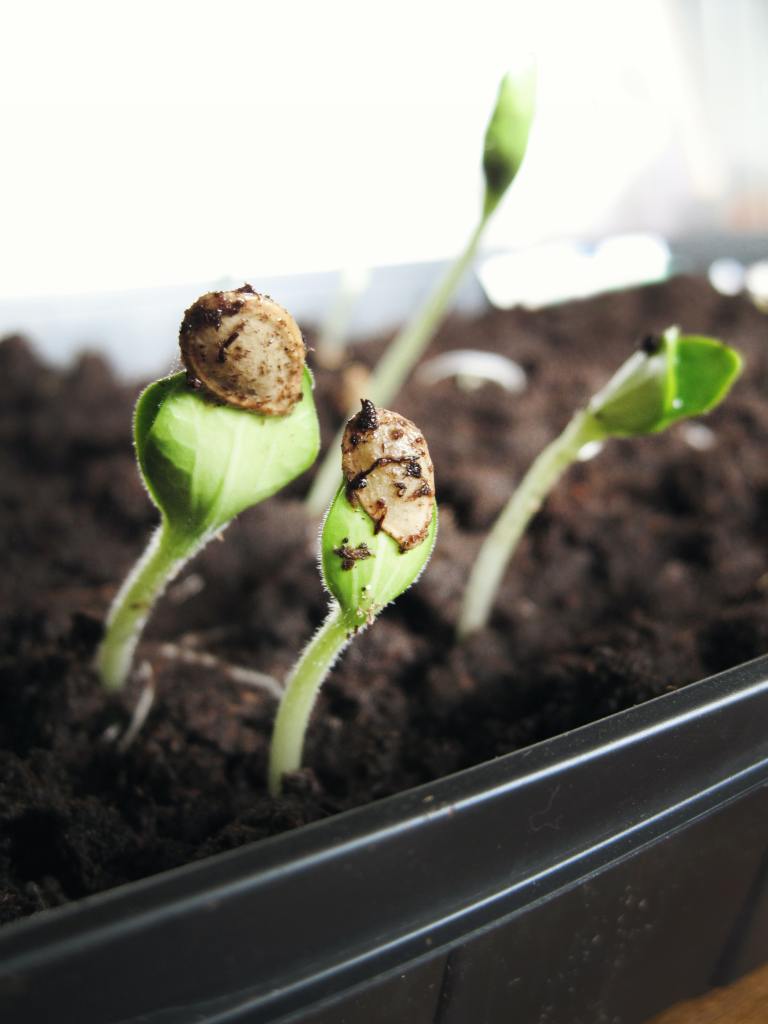
They tried to bury us but they didn’t know we were seeds. Mexican proverb

As a woman entrepreneur in the ’80’s, a single mom, a motherless daughter raised by a single dad, a sudden widow, a board chair leading mostly men, there have been times in my life that I’ve felt the pressure of “being buried.” However, little did society, neighbors, or corporate men know—I was a seed. In spite of these challenging circumstances, I grew and, eventually, flourished.

A young, Mexican American woman with a physical disability, recently quoted this proverb when speaking to her fellow graduates at a college commencement. To a much greater extent than I, she frequently felt buried. But, on that commencement day, she showed the world that she was a seed who had bloomed into a beautiful flower.

Affirmation: I am a seed.

Coaching questions: What’s causing you to feel buried? What will help you bloom?

Photo by Jen Theodore on Unsplash 

When Will the Killing Stop?

Patriotism is supporting your country all the time, and your government when it deserves it. Mark Twain

In the United States, today is Memorial Day, a day to remember those who died in combat while serving in the military. The greatest per capita loss of life for the U.S. was in our own Civil War where brother fought brother killing 623,026 when our population was only thirty-one million.  

In addition, I shutter to think of the millions of men, women, and children have been killed in wars worldwide (over 75 million in WWII alone). What can we do to help stop the killing, maiming, and emotional trauma of war? 

Affirmation: I will seek peace.

Coaching questions: Thinking of the loss others have experienced is helpful in dealing with our own losses. Who are you thinking of today? What was their contribution to our freedom? What’s one thing you can do to promote peace in the world? 

Photo by Neil Thomas on Unsplash