Are You Savoring and Celebrating Life?

It’s really important that post-pandemic we embrace more and more celebrating.  Tyler J. VanderWeele, an epidemiology and biostatistics professor and director of Harvard’s Human Flourishing Program

I like to take photos while on my walks and post them to Facebook. It’s a way for me to celebrate the beauty of nature. I also find satisfaction in sharing my nature experience with my friends. 

I recently learned that this is considered “mindful photography” and considered a “savoring” activity. 

In a study, college students were asked to take five photos of their everyday lives—friends, books they enjoyed, views of their campus—twice a week for two weeks. This activity resulted in an overall improvement in mood and a greater sense of appreciation of life for the participants. It worked for them and it’s working for me.

Affirmation: I celebrate my life.

Coaching questions: Do you wake up ready to start your day or would you rather go back to sleep? Do you have a sense of purpose or do you find how you spend much of your day to be meaningless? What can you do to savor the tiny victories in your life?
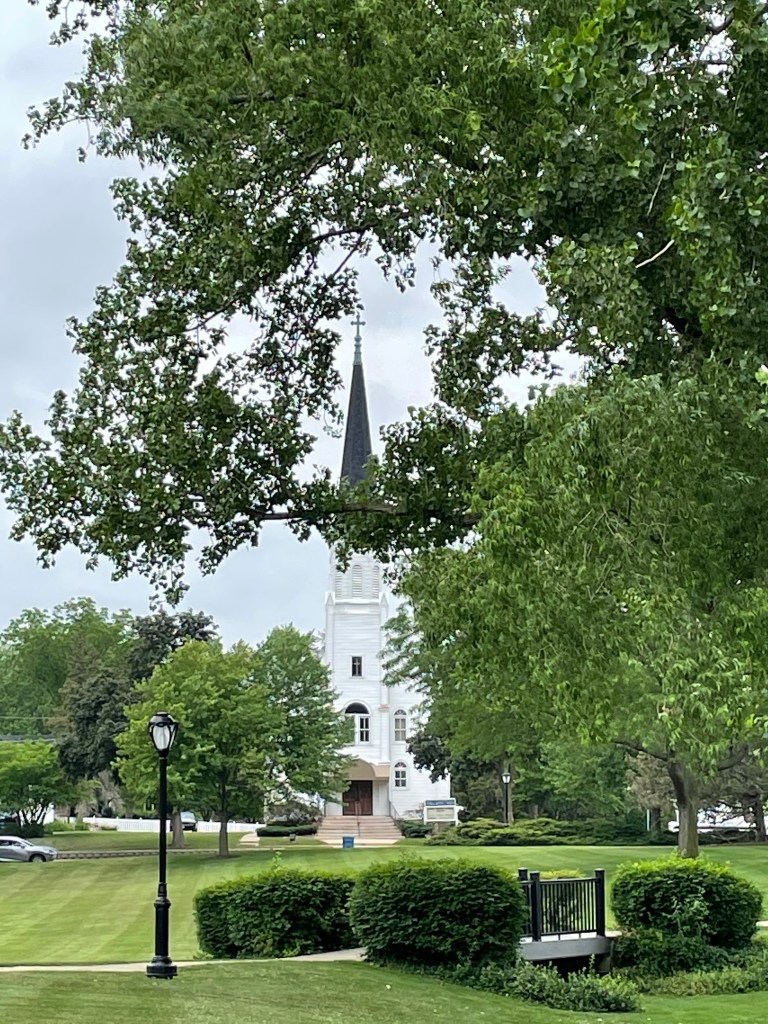
Photo taken in Itasca, Illinois, June, 2021

Feeling Buried? You’re Not Alone

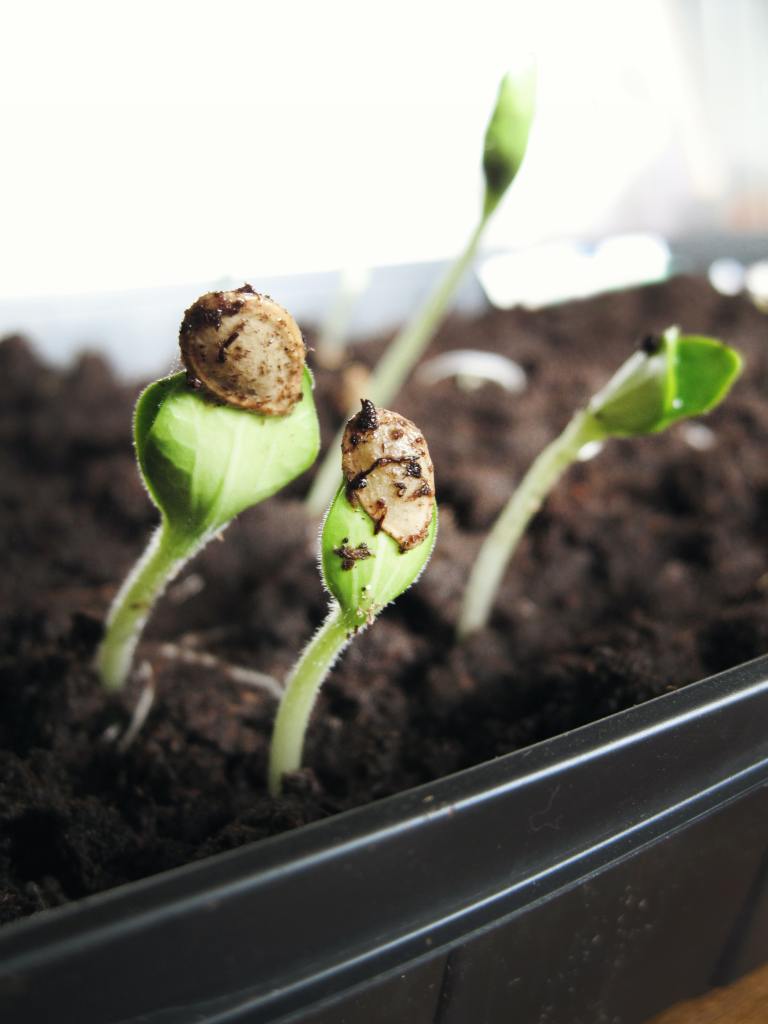
They tried to bury us but they didn’t know we were seeds. Mexican proverb

As a woman entrepreneur in the ’80’s, a single mom, a motherless daughter raised by a single dad, a sudden widow, a board chair leading mostly men, there have been times in my life that I’ve felt the pressure of “being buried.” However, little did society, neighbors, or corporate men know—I was a seed. In spite of these challenging circumstances, I grew and, eventually, flourished.

A young, Mexican American woman with a physical disability, recently quoted this proverb when speaking to her fellow graduates at a college commencement. To a much greater extent than I, she frequently felt buried. But, on that commencement day, she showed the world that she was a seed who had bloomed into a beautiful flower.

Affirmation: I am a seed.

Coaching questions: What’s causing you to feel buried? What will help you bloom?

Photo by Jen Theodore on Unsplash 

When Will the Killing Stop?

Patriotism is supporting your country all the time, and your government when it deserves it. Mark Twain

In the United States, today is Memorial Day, a day to remember those who died in combat while serving in the military. The greatest per capita loss of life for the U.S. was in our own Civil War where brother fought brother killing 623,026 when our population was only thirty-one million.  

In addition, I shutter to think of the millions of men, women, and children have been killed in wars worldwide (over 75 million in WWII alone). What can we do to help stop the killing, maiming, and emotional trauma of war? 

Affirmation: I will seek peace.

Coaching questions: Thinking of the loss others have experienced is helpful in dealing with our own losses. Who are you thinking of today? What was their contribution to our freedom? What’s one thing you can do to promote peace in the world? 

Photo by Neil Thomas on Unsplash 

Help Take Away the Burden and Secrecy of Mental Illness

A diagnosis has been enough without being burdened by secrecy and shame. Jane Pauley, television journalist who was diagnosed with bipolar disorder

May is Mental Health Awareness Month. Although we have made progress in our understanding, treatment, and acceptance of mental illness, we still have a long way to go. When any other organ is diseased or distressed, there is sympathy, understanding, and readily available treatment.

When the brain is diseased or distressed we frequently say, “Just get over it.” Or “You seem fine to me.” Sometimes, we think less of a person because they think or act in a way that is unclear to us. We need to champion the professionals and organizations who serve the misunderstood, unrecognized, and under-treated. 

Affirmation: I will champion people with mental disabilities and disease.

Coaching questions: How can you help a friend with mental illness come out from under the mantel of secrecy and shame? If you’re deeply depressed, suspect you’re bipolar, or have other possible mental health challenges, what’s keeping you from seeking professional help?


Keep Only What Gives You a Spark of Joy

Keep things because you love them–not just because. Marie Kondo, Japanese consultant and author of The Life-Changing Magic of Tidying Up

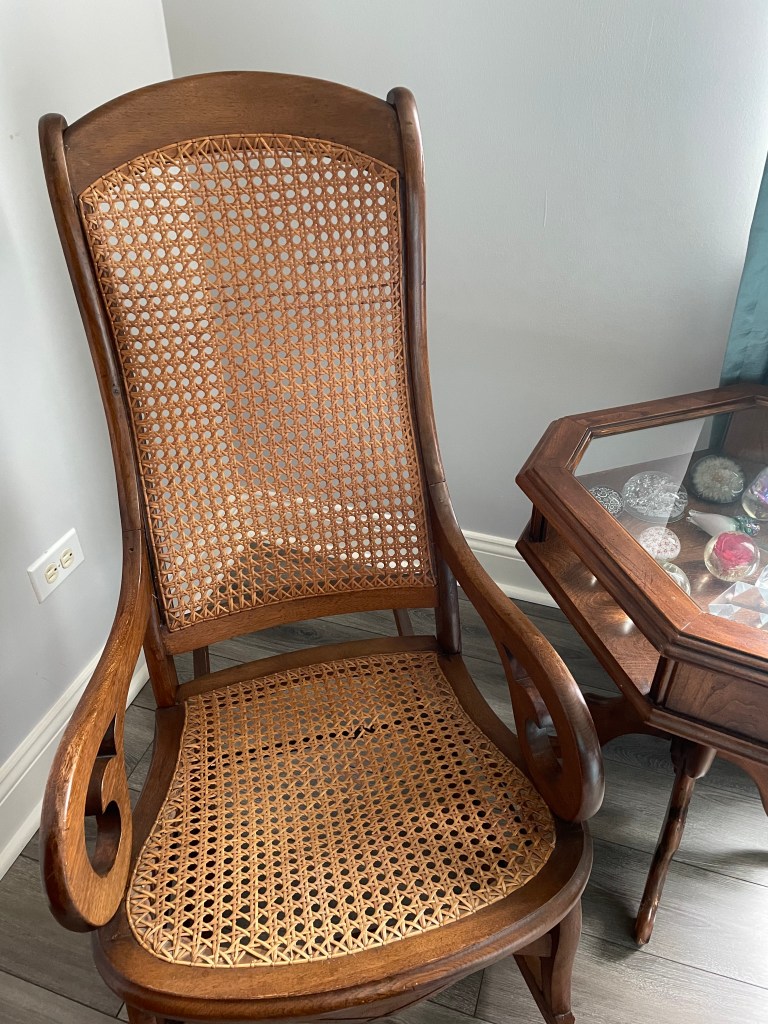
When we return to our summertime condo in Illinois, I experience what Kondo calls “the spark of joy” upon seeing many of my lifelong treasures. These include the cane rocking chair in which I was rocked as a baby, the walnut chest made from wood reclaimed from the first Nebraska homestead, my paper weight collection, and the picture that hung behind my parents when they were married and behind my husband and me when we were married. 

In our minimalist condo, I’m surrounded by objects that bring me joy and gratitude for my family and history.

Affirmation: I value things that give me a “spark of joy.”

Coaching questions: What objects bring you joy? Are they lost amongst the clutter or do they stand out and remind of you the people you love and those who have loved you?

Is the Stress You’re Feeling Actually Envy?

Envy is an unconscious defense mechanism against a threat to our self-esteem. Kristin Neff, PhD, co-author of The Mindful Self-Compassion Workbook

Since, according to Dr. Neff, envy is unconscious, it can be difficult to detect. Envy frequently masquerades as stress, sadness, anger, jealousy, or resentment. 

Envy is different from jealously which typically involves a fear that someone will take something from us. Envy is coveting something that belongs to someone else. Social media is a fertile breeding ground for envy which, if left unchecked, can be a destructive force. 

Here are a few tips to help you keep envy from stealing your joy.

—Name the feeling. Unmask envy and call it what it is. When you can name it you can tame it. Dig under the masquerading feelings to see if envy is hiding there.

—Stop comparing. Whether you’re feeling bad about yourself, or good about yourself at someone else’s expense, you need to learn that your worthiness comes from being you. 

—Envy comes from the desire to be loved. Learn to show compassion to yourself. Delight in who you are and what you’ve accomplished rather than what remains to be done.

Affirmation: I will love myself out of envy.

Coaching questions: What causes you to feel envious? What will you do to move away from a mentality of scarcity into one of abundance and rejoice with the joys of others knowing that joy is possible for you too? 

When Is Your Creation Good Enough?

Perfect is the enemy of good. Voltaire, French writer

As most creative people recognize, striving to achieve perfection is the bane of our existence. Of course the artist wants the shadows just so, the writer wants error-free copy, the musician wants to be pitch-perfect. However, constantly seeking perfection has diminishing returns. Spending all our time in a micro-battle can hurt the broader outcome.

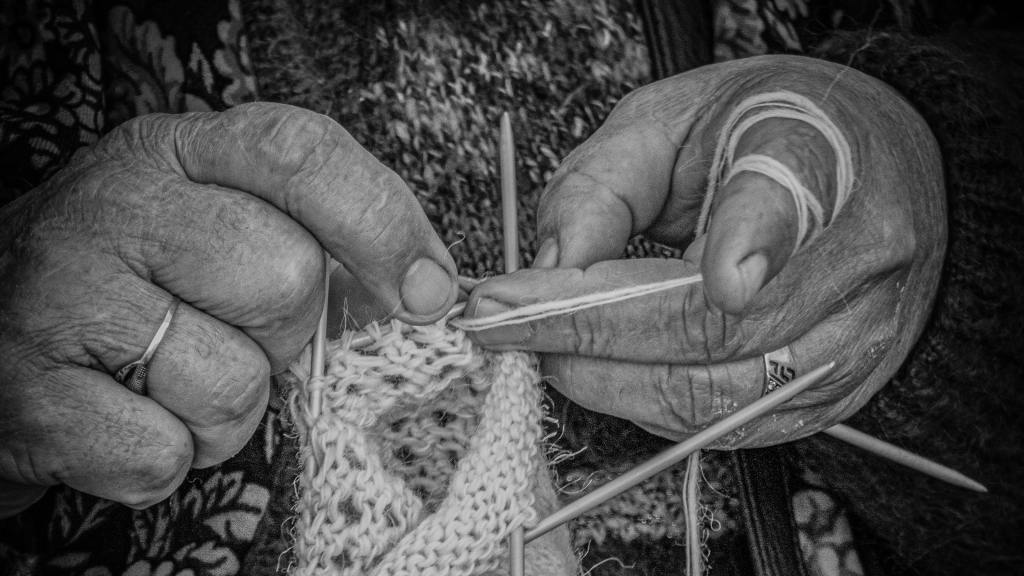
The book, the pie, the painting, the concerto, the sweater will never be one hundred percent perfect. For many, the notion of the unseen flaw will keep them from proceeding or they will tinker with their creation until it’s no longer the beautiful, imperfect piece it was meant to be. 

As I begin the arduous task of rewriting my novel after a major edit, I’ll be striving for good. When I’ve done my best, I’ll declare the manuscript done. I’ll deliver a book to the world in it’s less than perfect state and hope it makes a difference to those who read it. 

Affirmation: I will strive for good.

Coaching questions: Is the notion of perfection holding you hostage? What project will you move forward with knowing that it’s not perfect?

Photo by Ungureanu Ionut on Unsplash 

A New View of Commitments

If we were to wake up and find ourselves in the middle of an endless summer with no obligations, no passions or interests to turn toward, no relationships to cling to—all of our commitments suddenly gone—I wonder if it would feel like freedom or like free fall. Joanna Gaines, Magnolia Magazine

As Joanna suggests, commitments don’t necessarily keep us from being free. Commitments can, in fact, be the very things that are holding us up, shaping our daily lives and futures. 

Whether it’s doing the weekly laundry (like the young man in the photo), making dinner, babysitting a grandchild, or writing a book, commitments are a positive influence. People languish when they have no purpose; commitments—those projects and people to whom we are dedicated—give us purpose and help us flourish.

Affirmation: I value my commitments.

Coaching questions:  What are you committed to? How do you feel about your commitments? 

Photo by Thomas Dumortier on Unsplash 

Bitter or Better? Your Choice

You either get bitter or you get better. It’s that simple. You either take what has been dealt to you and allow it to make you a better person or you allow it to tear you down. The choice does not belong to fate. It belongs to YOU. Josh Shipp, youth motivational speaker

Of course, the natural and appropriate response to loss is sadness and grief. However, it’s been my experience that when the focus remains on the one you lost, there is less despair and depression than when the focus remains on yourself. When we get stuck in saying or thinking, “Why me? It’s not fair. How can I possibly cope?” we stymie our ability to move forward. So much depends on how we respond to our experience. 

The motherless daughters I interviewed for my book who moved forward with their lives, frequently talked about all their mothers gave them, even if their time with them was short, rather than all they lost because of her death. Both conversations are appropriate but focusing on the former seemed to lead to more joy. 

By her death, my mother gave me a greater sense of independence, the heart-felt reality that death is a part of life, and the ability to be more empathetic to those who experience loss.

Affirmation: I choose to get better.

Coaching questions: What is your response to loss? Is it working for you? What will help you focus more on the lost loved one and less on yourself?

Photo by Chema Photo on Unsplash 

Considering Mother As A Verb

What Julia Ward Howe had in mind in 1870 when she invented Mother’ s Day was a day on which we oppose war and advance peace. In other words, it wasn’t Mother’s Day, but a Mothering Day. Gloria Steinem, American journalist

When we think of Mother’ Day we think of honoring a person who brought a child into the world—a mother. If we take Steinem’s lead and consider mother as a verb, we come up with a completely different take on the day. 

Mothering can be done by male or female, old or young, birth parent, adoptive parent, or friend. When you mother someone, you show them empathy, love, and thoughtfulness. You care greatly about their welfare. Mothering is love freely given. One can become a mother by happen-stance but one mothers from a sense of purpose and love. 

Affirmation: I will consider what it is to mother.

Coaching questions: Who has mothered you? Who do you mother?

Photo by Joice Kelly on Unsplash