Depression Not Always About Loss

Dealing with depression effectively is a mark not of weakness, but your strength.
Substance Abuse and Mental Health Services Administration, Helpline

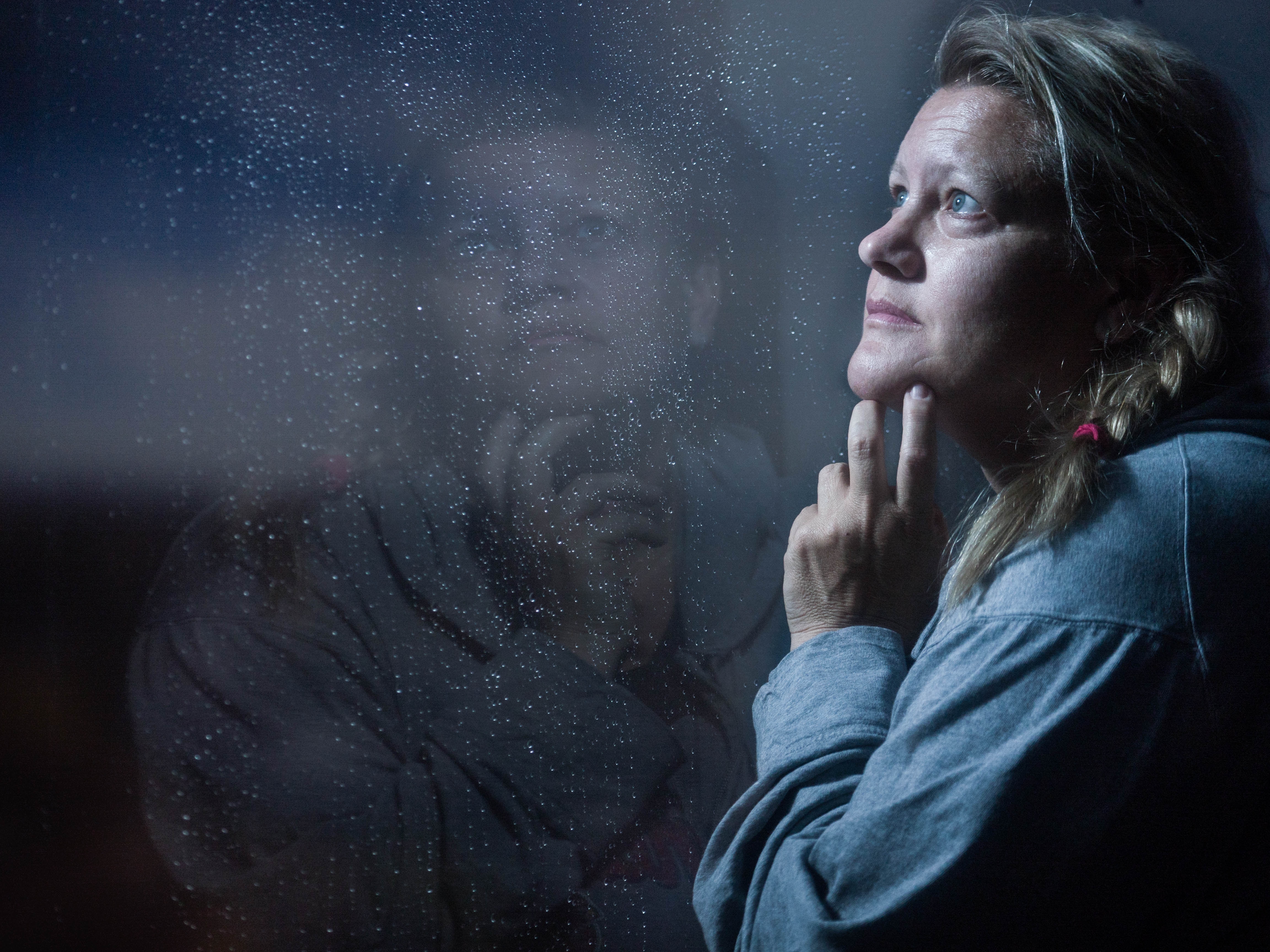
Do you always assume your sad feelings are a result of your loss?It’s summer and the lethargy you’re feeling may be due to the heat.

Here are a couple of tips to help you feel better: 

  • Just as people who experience SADD (Seasonal Affective Depressive Disorder) schedule a trip to the beach in the winter, consider a trip to the mountains or another cool location for a week this summer.
  • Keep water with you. Even mild dehydration can cause your mood to dip.
  • Check on your sleep. If your sleep is interrupted due to heat or your routine, this too can cause mild depression. 
  • Get back to exercise. If it is too hot for your usual walk, change it up with a trip to the gym. 

I hope these suggestions will help you get back to your happier self. However, if you’re more than mildly depressed, have feelings of hopelessness, or serious insomnia, please seek professional advice. 

Coaching request: Don’t assume, check out other possibilities for your sad feelings. 

No Regrets

I don’t regret what I’ve been through. I’ve had ups and downs, super highs and some really low lows. I’ve been so blessed that I could never say, ‘I wish this didn’t happen.’ It’s part of who I am. Jennifer Lopez, entertainer

If a genie suddenly appeared in your life, what would you wish for? Like Lopez, I wouldn’t change much. The highs and lows of my life molded me into the less-than-perfect, 79-year old woman I am today.

If you’ve recently experienced loss, however, my guess is you would wish it away. But the inevitable can’t be wished away forever. Even though we wish that our loved ones could have stayed with us longer, all living things come to an end. 

Given the chance, I’d wish for world peace, the eradication of cancer, Alzheimer’s and other horrible diseases, and I’m not too crazy about hurricanes. But I choose not to wish my life away. How about you?

Affirmation: I have no regrets.

Coaching questions: If you had three wishes, what would they be? How have you been changed by the ups and downs of your life? What will help you be content with where you are in your life right now?

Photo by Dayne Topkin on Unsplash

The Flower of Mother’s Day

Symbols are the imaginative signposts of life. Margot Asquith, author

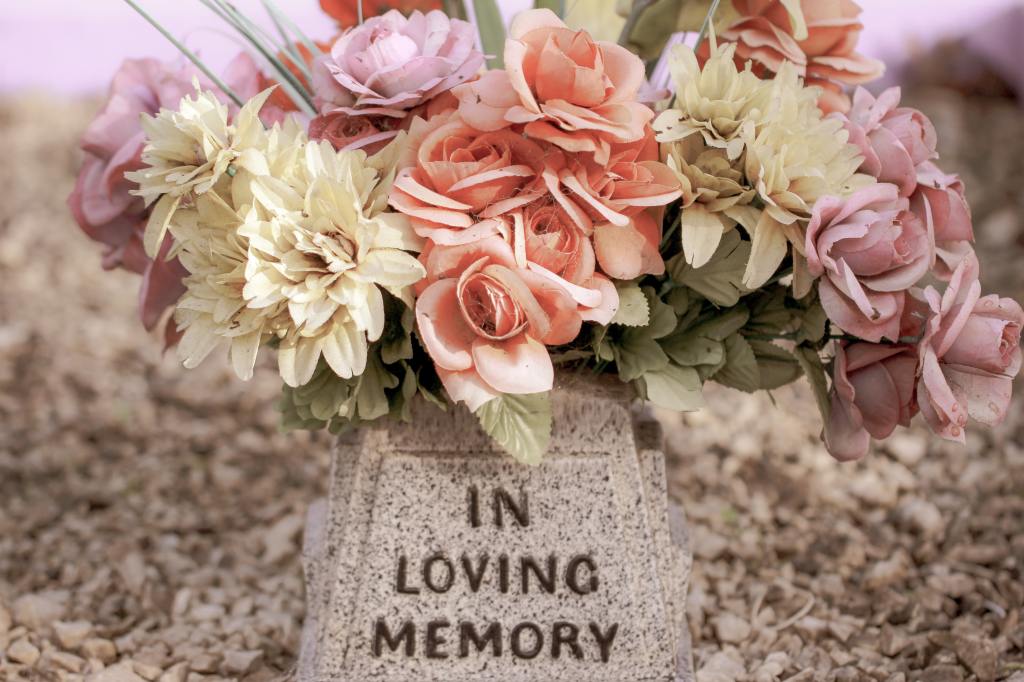
Pink carnations have always been special to me because they were the flowers on my mother’s casket and one of the few memories I have of the months following her death seventy years ago.

 I thought they were randomly chosen by my dad but, perhaps, he chose them for their meaning. “Light pink carnations represent love and gratitude that are similar to a Mother.” They also say, “I’ll never forget you.”

In America, they are the official Mother’s Day flower. 

Affirmation: I honor the symbols in my life.

Coaching questions: What symbols do you hold dear? What do they mean to you and why? How do they help you keep your memories alive?

Photo by Sixteen Miles Out on Unsplash

Death Is Inevitable!

It is better to learn early of the inevitable depths, for then sorrow and death can take their proper place in time, and one is not afraid. Pearl S. Buck, author

As the author of a book about loss, I’m a member of several on-line groups for folks who have experienced loss. It seems that many of these participants are completely surprised by the fact that someone died; that they are now orphans, or their elderly (or not so elderly) parent or other close relative has died. Many say they don’t want to continue living without this person in their life. 

Perhaps it’s time for someone to say, “Death is inevitable!” Hopefully, you believe in some kind of after life (Heaven works for me), but life as you and I know it on this planet will end—even your mother’s and father’s. In fact, parents hope their children outlive them. 

So, if you’re reading this blog because you have recently experienced loss, I empathize with your pain. But know that you’re not alone. If we live long enough, we ALL experience loss. In fact, it speaks to the fact that we are blessed with life. 

Affirmation: I have come to terms with the fact that death is inevitable.

Coaching questions: How can you incorporate this universal, if painful, truth into your life? How will it help you be less afraid (as Buck suggests)? 

Photo by Aron Visuals on Unsplash

Unfinished Grieving? Have a Funeral in Your Heart

The few trees still upright were stripped of their branches, lonely flagpoles without a nation to claim them. Mike Mullin, author

Three weeks ago, Hurricane Ian ravaged parts of Florida and other states. Many people are in mourning for their possessions, their way of life, and the idea of life being the way they wanted it to be. Every day we are thankful that our southwest Florida house was spared as we empathize those who lost so much. 

In Asian philosophy, this mourning of the loss of how we thought life would be is called Ego Death. Those who have lost their homes, possessions, livelihood, and/or their way of life must be willing to have a funeral in their heart. 

Grieving the loss of our expectations, as well as possessions or even loved ones, is an important step towards recovery. There is no way around grief. To move forward, the path is straight ahead. 

Affirmation: I accept the importance of grieving no matter what the loss.

Coaching question and request: What have you lost that you have yet to grieve? This could be something less profound than a parent, child, or spouse. Perhaps it’s your innocence about the world, the loss of a friend, your most prized possession, or your way of life. Take a moment to think about your unfinished business around grief. Then do the work of having a funeral in your heart. 

The Willow Bent In The Storm– Be Like The Willow

The oak fought the wind and was broken, the willow bent when it must and survived. Robert Jordan, American author

Trauma and extreme stress require us to tap into our resiliency—the capacity to adapt in the face of adversity. The loss of your mother (or other loved one), health challenges, job loss, divorce, a pandemic, or an unexpected move—all require resilience if we are going to move forward in a healthy way.

In my experience, I’ve found that those who demonstrate resilience generally have these six traits in common: 

1. The ability to sustain supportive relationships with family and friends.

2. A strong self-image and confidence in their strengths.

3. The ability to accept change as a part of living rather than seeing it as insurmountable. 

4. Good communication and problem solving skills.

5. Practice good self care.

6. Build on their past experiences and trust that what they survived made them stronger.

Affirmation: I am resilient.

Coaching questions: If you’re learning to flex your resiliency muscle, which of the six traits do you need to work on? What will you do today to build resiliency for the future?

Photo by Darion Queen on Unsplash

Learning To Live With Loss

What we have once enjoyed we can never lose; all that we deeply love becomes a part of us. Helen Keller

(This is a repurposed blog from a few years ago but I thought the message important enough to repeat.)

Loss of a loved one is always difficult. It’s the price we pay for having a great love. However, we can be joyful again as we learn to accommodate to life after loss.

C.S. Lewis in A Grief Observed likened accepting your life after loss to a man learning to walk after a leg has been amputated. Lewis writes, “The amputee may get along quite well, may even become facile and agile on crutches or on a carefully designed artificial limb. But the amputee must accommodate to permanent loss. He or she will never walk as before; repair does not mean a return to the way things were.”

Our life will never be as it was before our loss but those we love are always a part of us. 

Affirmation: I can learn to be joyful again after loss.

Coaching questions: How are you different after loss? In what ways have you accommodated to your loss? What will you do next? 

National Grief Awareness Day — Sharing Our Grief

Speaking openly about our grief can create powerful human connections. Our honesty and vulnerability leads not only to our own healing, but the healing of others. Carmel Breathnach, author

It is National Grief Awareness Day—a perfect time to, as Breathnach writes, consider the impact of speaking opening about our grief. As we collectively grieve our losses, we gain a sense of comfort, knowing that others understand.  

Loss is part of the human experience. Perhaps losing my mother as a child taught me to not be surprised by loss. I marvel at daughters who are shocked by the death of their very elderly mothers. I want to ask, “Did you expect her to live forever?” Or, “Did you want to precede her in death?” Of course, I don’t ask these intrusive questions and I totally respect their feelings of great loss, but I do wonder about their expectations.

If you haven’t yet, someday you will fiercely grieve. Prepare yourself, not in a morbid way, but in a sense that death is part of the circle of life; the human experience. 

Affirmation: I will grieve this day for my losses in the past and for those to come. My grieving reflects that fact that I’m fully alive. 

Coaching questions: Who/what will you grieve/remember today? What have you learned from your losses—your grief? How have your losses contributed to who you are? 

Photo by Sandy Millar on Unsplash

Taming COVID-19 Anxiety With Creativity

Just make something. Todd Brison, author

In a recent Medium post, Todd Brison wrote this about creativity endeavors, “This is your space. You have complete dominion. Hope is found here. Peace is found here. Silence, too. Acts of creation cannot heal a broken past. They cannot repair a world of despair. They cannot guarantee future hope. However, they can provide shelter in a storm.” 

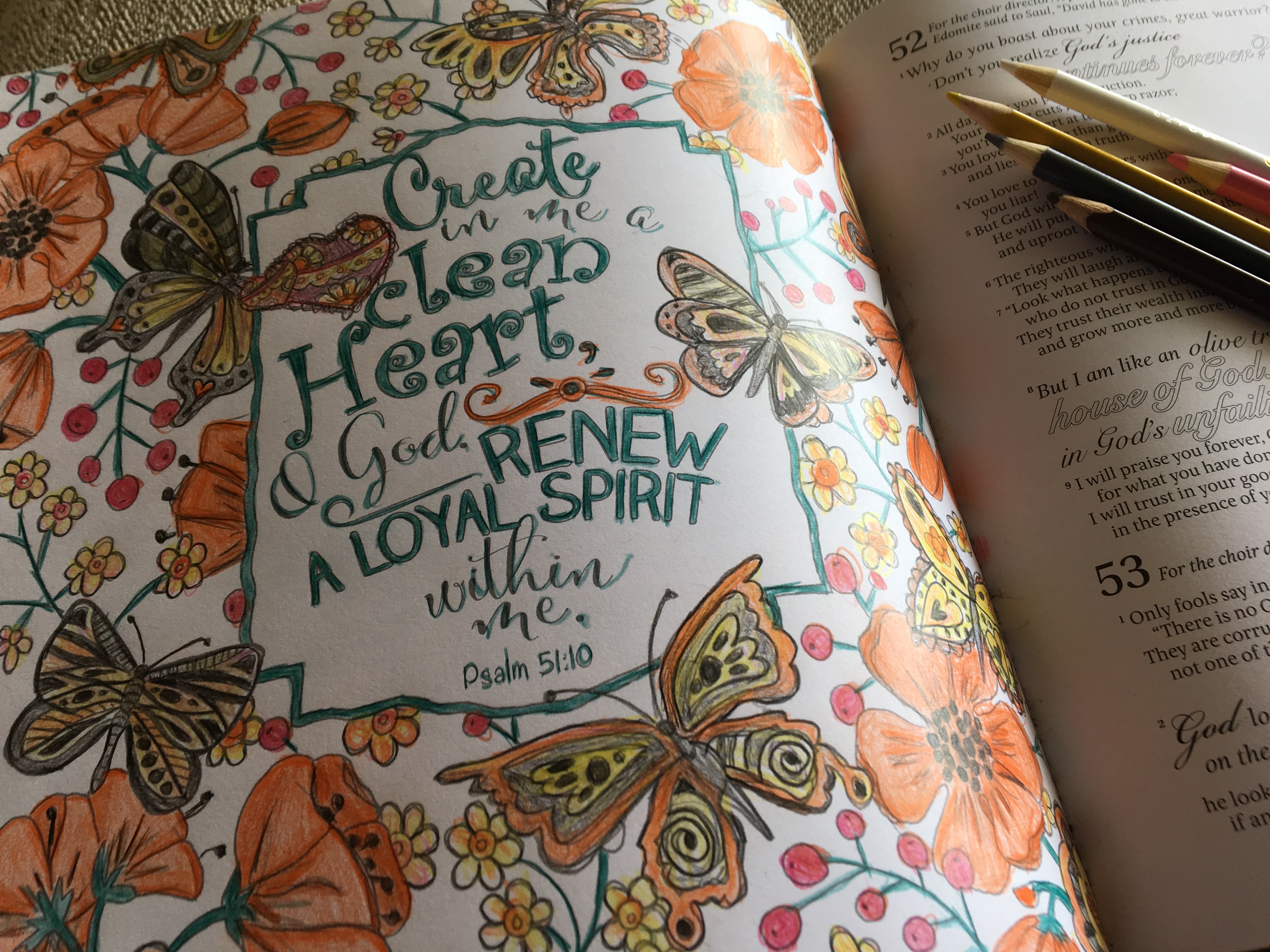
My research and personal experience tells me that what Brison writes is true. In fact, Step Four in MOM’S GONE, NOW WHAT? is “Stir Up Your Creativity.” Generally, people don’t become more creative in spite of tragedy, they turn to creativity because of tragedy. They use creative endeavors to calm the anxiety related to uncertainty brought on by loss…and, there is no doubt, we are experiencing a heightened sense of loss right now. Paint, knit, cook, garden, learn a language, color…stir up your special creativity to bring you calm as you shelter in the storm.

Affirmation: I find comfort in creativity.

Coaching question: How will you tap into your creativity? 

(I’m coloring – see photo)


IMG_4046

It’s Possible to Be Joyful Again

What we have once enjoyed we can never lose; all that we deeply love becomes a part of us. Helen Keller

Loss of a loved one is always difficult. It’s the price we pay for having a great love. However, we can be joyful again as we learn to accommodate to life after loss.

C.S. Lewis in A Grief Observed likened accepting your life after loss to a man learning to walk after a leg has been amputated. Lewis writes, “The amputee may get along quite well, may even become facile and agile on crutches or on a carefully designed artificial limb. But the amputee must accommodate to permanent loss. He or she will never walk as before; repair does not mean a return to the way things were.”

Our life will never be as it was before our loss but knowing that those we love are always a part of us, we can be joyful again. 

Affirmation: I can be joyful again after loss.

Coaching questions: How are you different after loss? In what ways have you accommodated to your loss? What will help you be joyful again? 

cheron-james-jxNOPmh-wbQ-unsplash